
Knowing when to fill up your gas tank can ensure the longevity of your vehicle and save you money. With fluctuating gas prices, it’s wise to consider the best time to visit the pump.
Our vehicle’s performance and the surrounding environment are affected by how much fuel we carry around. Being strategic about refueling can make a significant difference.
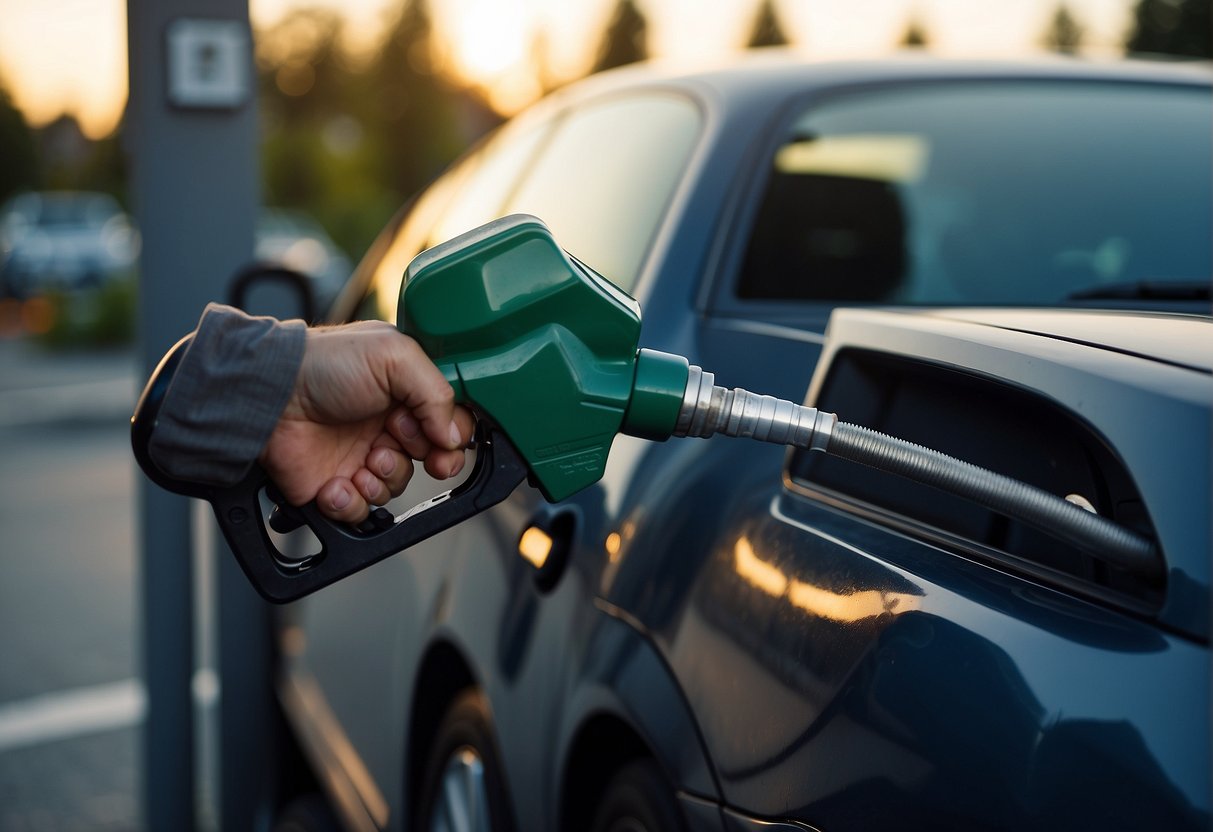
Let’s address the common debate: when is it optimal to fill up your vehicle’s gas tank? It’s generally recommended to refill your tank before it falls below one-quarter full. This practice is not only good for emergency preparedness, but also prevents sediment in your tank from clogging the fuel filter.
Additionally, keeping a decent amount of gasoline in your tank minimizes the risk of running out of fuel unexpectedly. This can be especially important in extreme weather conditions or when driving in remote areas.
Our environment benefits from mindful refueling as well. Topping off your gas tank after the nozzle automatically shuts off can release harmful vapors into the air. This practice can also cause damage to your vehicle’s vapor collection system, designed to reduce air pollution. To cut down on environmental impact and maintain the health of our vehicle, it is advisable to stop refueling once the nozzle clicks off the first time.
JUMP TO TOPIC
Fuel Efficiency and Vehicle Performance
To maintain optimal fuel efficiency and vehicle performance, we need to understand the role that fuel plays in our vehicles. It not only powers the engine but also affects the health of the fuel system components, which in turn influences engine performance and vehicle range.
Maximizing Engine Performance
Fuel quality and tank level can directly influence our vehicle’s engine performance. We’ve observed that a well-maintained fuel system supports efficient engine operation.
A key habit to cultivate is ensuring your fuel tank is adequately filled and not allowing it to run too low. Running on a near-empty tank often could lead to sediment in the fuel being drawn into the system, potentially clogging the fuel filter or damaging the fuel pump.
- Consistently maintain more than a quarter of a tank of gas to prevent sediment-related issues.
- Regularly replace the fuel filter as per your vehicle’s maintenance schedule to prevent obstructions that can impair fuel flow.
Understanding Fuel System Components
The fuel system in our vehicles comprises the fuel tank, fuel pump, fuel filter, and the fuel injectors. Each plays a crucial role in engine performance and efficiency. The fuel tank holds the gas, while the fuel pump sends it towards the engine. The fuel filter cleanses the fuel of impurities, preventing blockages within the fuel injectors, which could diminish vehicle performance.
Keeping a keen eye on the fuel gauge and avoiding running on a near-empty tank not only ensures better fuel efficiency but also extends the lifespan of the fuel system components.
The Impacts of Topping Off Your Gas Tank
When we talk about topping off a gas tank, we’re referring to the practice of adding more gasoline after the nozzle has automatically shut off during refilling. While it may seem beneficial to get a little extra fuel, this habit comes with risks and consequences that can affect both our vehicle and the environment.
Risks Associated with Overfilling
The following are specific risks associated with topping off your car’s gas tank:
- Overheating: Excess gas can overflow and cause fuel system damage, sometimes leading to overheating.
- Vapor Recovery System Damage: Modern vehicles include a vapor recovery system that collects fumes and prevents them from escaping into the atmosphere. Overfilling can flood this system, leading to costly repairs and poor performance.
- Activating ‘Check Engine’ Light: Overfilling can trigger the ‘check engine’ light, which often indicates a malfunction in the evaporative emission system, including issues with the activated carbon canister designed to handle fuel vapors.
- Increased Risk of Fire and Exposure to Hydrocarbon Emissions: Spilled gasoline is both a fire hazard and contributes to hydrocarbon emissions, which are harmful to our health and contribute to air pollution.
Environmental and Economic Considerations
In today’s context, it is also essential to discuss the broader impact of topping off on the environment and our wallets.
Environmental Impact: The spillage and vapor release when overfilling at the pump contribute to air pollution. These vapors contain hydrocarbons that, when released into the atmosphere, contribute to the formation of ground-level ozone, a key component of smog.
Wasted Money: You might believe you’re getting more for your money by topping off, but the reality is somewhat different. Gasoline needs space to expand. Therefore, any extra fuel may simply be drawn into the station’s vapor recovery system and not your tank, leading to unnecessary spending, especially with rising gas prices.
Best Practices for Refueling Your Vehicle
We’ll explore efficient and safe ways to refuel our cars, focusing on selecting the correct fuel and how temperature can influence the refueling process.
Choosing the Right Type of Fuel
When approaching the fuel pump, it’s crucial to choose the type of fuel that aligns with our vehicle’s requirements. Using the wrong type of fuel can harm the engine and impact performance. Regular gasoline is adequate for most vehicles, but some require premium to operate efficiently due to their high-compression engine design. Here are some points to remember:
Effects of Temperature on Fuel
Temperature variations can affect fuel density and how much we can pump into our tank. In colder climates, especially during winter, fuel becomes denser. This means we get a bit more energy per gallon pumped because the colder fuel has a higher density.
While filling the gas tank, we should avoid the temptation to top off after the nozzle clicks off because the extra fuel may just evaporate or overflow. We prevent spilling and releasing harmful vapors into the air by stopping at the first click. This also helps prevent damage to the vehicle’s vapor collection system.
Innovations in Fuel Technology
In the realm of automotive fuel technology, significant strides have been made to enhance efficiency and reduce environmental impact.
Trucks and other vehicles now often come equipped with an Onboard Refueling Vapor Recovery (ORVR) system. This technology captures harmful gasoline vapors that would otherwise escape into the atmosphere during refueling.
The advent of smarter fuel gauges and gas pumps has improved the driver’s experience. Our fuel gauges now provide more accurate readings of the fuel level, mitigating the guesswork of when to fill up next.
Meanwhile, fuel pumps have adapted to become more user-friendly.
| Feature | Benefit |
| ORVR Systems | Reduces harmful emissions during refueling |
| Activated Carbon Use | Captures and recycles fuel vapors |
| Advanced Fuel Gauges | Provides accurate fuel level readings |
| Enhanced Gas Pumps | Offers a more efficient refueling experience |
We’re seeing a transition toward a more environmentally responsible and technologically savvy fueling process. These innovations not only contribute to the better performance of our vehicles but also assist in protecting the environment by minimizing emissions and optimizing our use of resources.

We love what we do, and it shows in everything we do and more. We share our knowledge, here on Ran When Parked.
- Car Jerks When Accelerating Slowly – Causes and Fixes - January 8, 2026
- Check Engine Light On but Car Runs Fine – Causes Explained - January 4, 2026
- Car Shakes When Idling but Drives Fine – Causes & Fixes 2026 - January 4, 2026