
Honda’s decision to stop making gas-powered lawn mowers has left many of us scratching our heads. One of the key reasons is the rapid advancement in battery technology. Electric mowers are becoming increasingly efficient, reliable, and eco-friendly, outpacing their gas-powered counterparts. This shift mirrors what we’ve seen in other industries, like with cars where electric vehicles are gaining popularity.
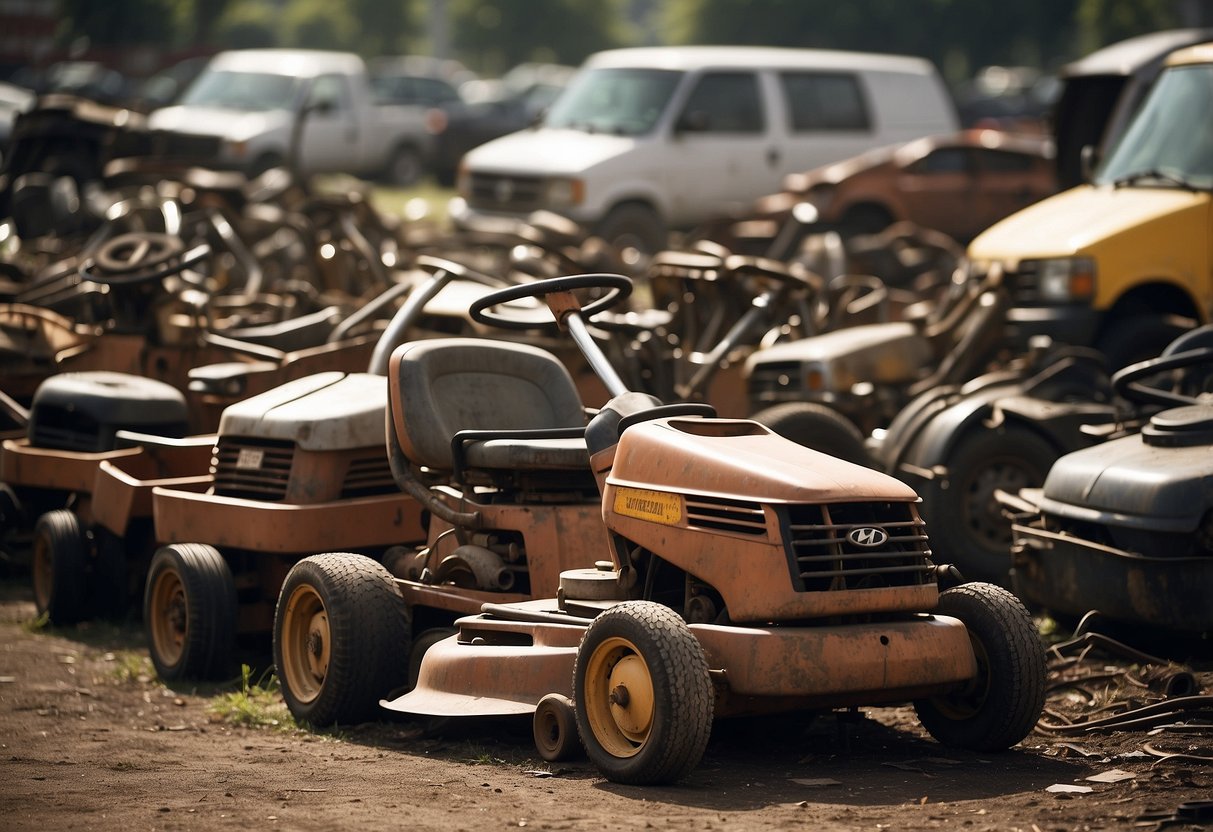
Despite Honda’s reputation for rugged, high-quality equipment, the company recognized the market’s tilt. They aren’t alone, either. Brands like Toro and EGO are pushing the envelope, leading the charge with innovative electric models. We’ve also noticed a significant movement among consumers toward greener, more sustainable options.
Moreover, Honda’s exit doesn’t mean the end of quality lawn care. It simply marks a new chapter. Our choices might shift, but the quest for the perfect, meticulously trimmed lawn remains. The switch to electric is not just a trend; it’s a reflection of our growing responsibility toward the environment.
JUMP TO TOPIC
Why Is Honda Discontinuing Lawn Mowers?
Honda has decided to stop making gas-powered lawn mowers. This decision came as a surprise to many in the lawn care industry. 🌱 One big reason is that electric lawn equipment is getting more popular. Electric mowers are on the rise, and they use battery technology that’s getting better every year.
Let’s not forget that Honda’s lawn mowers are well-loved for being reliable and strong. 🛠️ But they’ve chosen to focus more on other parts of the power equipment market, like generators and water pumps. This helps them zero in on their strengths.
Laws in places like California are also pushing this shift. California wants to cut down on the pollution from gasoline engines. 🌡️ This means tougher rules for gas-powered lawn mowers and other equipment. It’s a big deal for companies that sell in the U.S. market.
New laws in California are creating challenges for gas-powered gear.
Also, our preferences are shifting. More folks want eco-friendly options. 🌿 Electric mowers are quieter and have no gas smell, making them more appealing for lawn care.
Given these changes, Honda is betting on what comes next by pulling out of gas-powered mowers and maybe diving into electric ones soon.
Reasons Behind The Decision
Honda is discontinuing its lawn mowers due to changing market demands and advancements in lawn care technology. We will explore these reasons in more detail below.
Market Demand
Honda has seen a shift in customer preferences 🛠️. More people are moving away from gas-powered mowers ⛽ and opting for eco-friendly options. This relates to stricter environmental regulations 🌡️ that push for more sustainable products.
Manufacturing gas mowers has become less profitable 🏭. The company decided to pivot resources to sectors with higher demand and better returns 📈, such as automobiles 🚗 and power generators 💡. Honda recognized a declining interest in gas-powered mowers within its lawn and garden product line and adapted accordingly.
Technological Advancements
Battery-powered lawn care equipment is gaining popularity 💡. Advancements in battery technology have made electric mowers more efficient and convenient to use. Many customers prefer electric mowers due to their ease of use and low maintenance 🔧.
Honda’s production focus has shifted. They chose to stop manufacturing gas-powered mowers and invest more in their core products, like cars and motorcycles. This ensures their portfolio aligns with market trends and customer preferences 📊. Honda’s move reflects a broader change in market forces favoring eco-friendly options.
| Aspect | Focus Shift |
| Production | More on automotive and power equipment |
| Customer Preferences | Increasingly eco-friendly |
| Profits | Higher in other sectors |
Impact On Customers
With Honda exiting the lawn mower market, customers will experience changes in parts availability and service options. They also need to consider alternative brands that suit their needs.
Alternative Options
Our customers might turn to other trusted brands like Toro, John Deere, and Husqvarna. These brands offer a range of reliable lawn mowers and have good support networks.
Dealers in the U.S. market can help connect customers with these alternatives. They often provide demonstrations to help find the right match.
Something fun to consider: 🎉 electric mowers. 🛠️ They’re quieter, need less maintenance, and are becoming more popular. EGO and Greenworks are leading in this area.
Lastly, don’t forget Honda’s North Carolina manufacturing facility and their parts and service operations. They will still offer parts supply for some time, ensuring customers can maintain their existing mowers.
If you’re in Swepsonville, North Carolina, pop by and check the inventory. Local dealers can also provide parts and service, keeping your mower running.
Future Plans For Honda
Honda’s future holds significant changes, including shifts in product lines and investment in new technologies.
Product Line Adjustments
Honda plans to focus more on electric vehicles (EVs) and other modern technologies. The company is investing heavily in battery technology to improve the performance and range of its EVs. This move is driven by the growing demand for more eco-friendly options.
Honda also aims to enhance its automotive division. This involves stepping up EV production and introducing more innovation in their car manufacturing process. Self-driving technology and connected car features are areas of potential growth.
| Aspect | Current | Future |
| EV Models | Limited | Expanding |
| Battery Tech | Developing | Advanced |
Moreover, Honda plans to continue supporting its all-terrain vehicle (ATV) and side-by-side production. New models with improved features and high-quality design are on the roadmap. Generators, water pumps, and other industrial-type power products will stay crucial parts of their offerings.

We love what we do, and it shows in everything we do and more. We share our knowledge, here on Ran When Parked.
- Car Jerks When Accelerating Slowly – Causes and Fixes - January 8, 2026
- Check Engine Light On but Car Runs Fine – Causes Explained - January 4, 2026
- Car Shakes When Idling but Drives Fine – Causes & Fixes 2026 - January 4, 2026