
Navigating the choppy waters of criticism, especially when it comes to driving, can be as tricky as driving on a foggy night. We’ve all been there—the passenger seat expert delivering a sermon on our driving style. Whether it’s from a concerned spouse or a backseat driver friend, their commentary can stir up a storm of emotions. But let’s not hit the brakes on our relationships just yet—we can cruise through this with a bit of psychology and empathy in our toolkit.
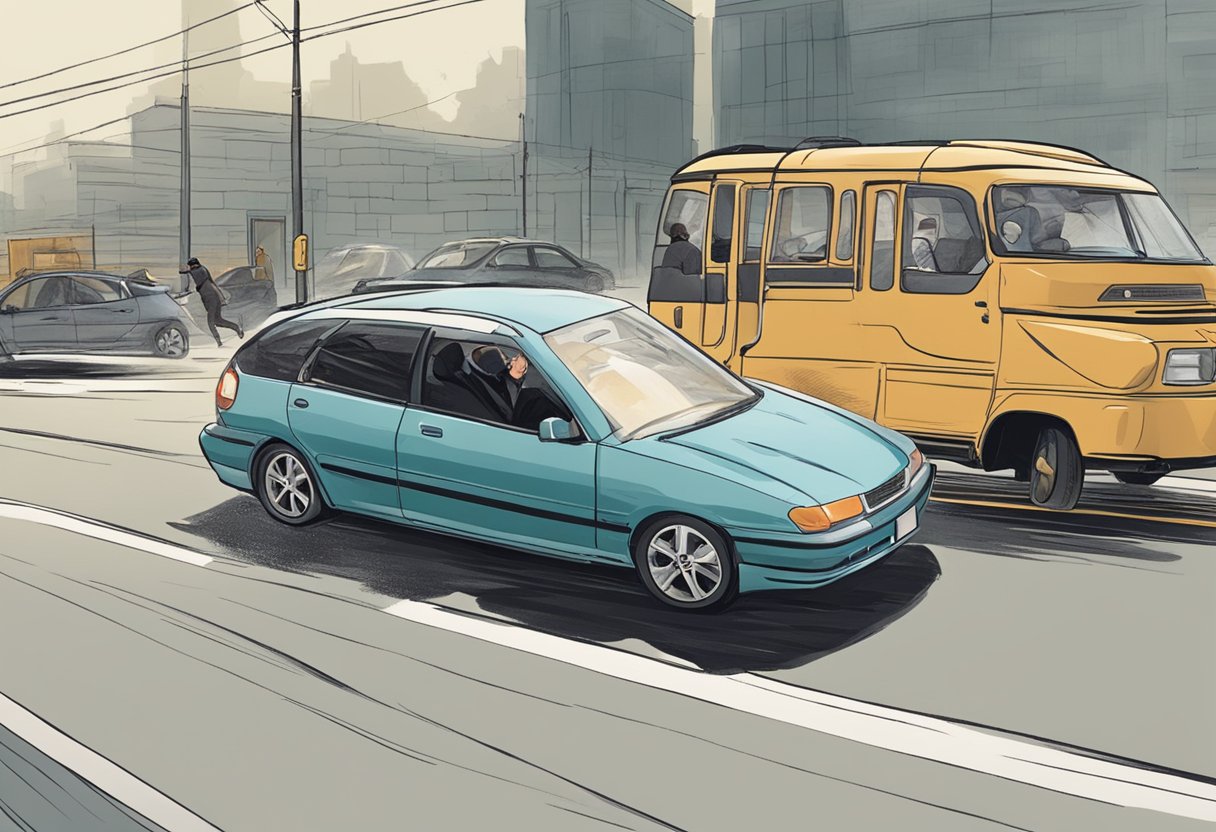
We don’t need a degree in therapy to understand that when emotions are high, the road to resolution demands patience. Taking a deep breath might just be the temporary yield sign that prevents conversational pile-ups. At times the critique might actually have merit, (yes, perhaps that left turn could’ve been smoother), so let’s not let our egos hog the driver’s seat. Instead, let’s engage our empathy, listen, and if necessary, agree to address it off the road, where we can give it the attentive maintenance it deserves.
Driving, after all, isn’t just about maneuvering a vehicle; it’s also about steering our interactions with considerate care._next time the criticism engine starts revving, remember we’re all just fellow travelers on the road of life. It’s not always about racing to be right, but sometimes just about riding along in harmony. 🚗💨
JUMP TO TOPIC
Identifying and Reporting Dangerous Driving
We need to gather details. License plate numbers, make and model of the vehicle, and the location of the incident—as much as you can remember. Dash cams aren’t just for catching meteors on video anymore; these handy gadgets are perfect for recording evidence of reckless antics on the road.
If it’s not an emergency but you’re still fuming like a cartoon teapot, make a detailed incident report with your local police department. They can use this information to potentially issue a ticket, which might just teach our law-dodging Houdini a lesson in road etiquette.
Warning signs of reckless driving? We’ve got you covered:
- Swerving or weaving between lanes 💨
- Blatantly ignoring traffic signs or signals 🚨
- Excessive speeding that would make a race car driver blush 🏁
| Witness | Report |
| Take note of your surroundings and the reckless behavior. | Report to the police non-emergency number or local hotline. |
| Record the license plate and description of the vehicle if possible. | If the situation looks dangerous, contact 911. |
Strategies for Dealing with Aggressive Drivers
We all know that feeling when someone’s honking incessantly behind us or zooming past, only to cut in sharply—welcome to the club of drivers who’ve encountered aggression on the road. Let’s keep our cool and our wits about us with some smart strategies.
The Psychology of Road Rage and Its Impact on Safety
Fact: road rage can turn an average Joe into a fury on wheels. Humans, you see, can transform from Jekyll to Hyde when behind the wheel due to the cloak of anonymity a car provides. Marriage woes, aging pains, or job stress—it all gets magnified when someone criticizes your driving.
💡 Quick Tip: If you spot an aggressive driver, don’t take it personally. They might be having a bad day, or hey, maybe they didn’t have their morning coffee.
Arguments on the road can lead to dangerous driving, and that’s where we need to focus on turning down the heat. Control that knee-jerk reaction to retaliate and instead take a few deep breaths. Engage some humor to diffuse your ire—if you can laugh at how absurd this all is, you’ve already won.
Maintaining Control and Safety on the Road
We’re in this together—safety is a shared responsibility. But when you’re faced with an aggressive or unsafe driver, it’s on us to maintain control. Here are specific actions we can take:
- Stay Calm: Keep your cool, even if you become the target of someone’s outburst. Your serenity can defuse a volatile situation.
- Avoid Eye Contact: Staring can escalate tension—just like in the wild, it’s seen as a challenge.
- Give Space: Literally put distance between you and the aggressive driver. Safety first, always.
- Don’t Respond: If someone is laying on the criticism, resist the urge to honk back or make gestures. It’s like not feeding the trolls online.
- Report if Necessary: If things get too hot to handle, consider using a road rage hotline. Keeping the peace on the roads can sometimes require a call to action.
| Encountering Aggression | Our Response |
| They’re tailgating you. | Stay calm and switch lanes when safe. |
| They’re flashing their lights. | Keep your pace, don’t rush, and allow them to pass when it’s safe. |
| They’re gesturing angrily. | Focus on the road, not the drama. |
Above all, we prioritize our safety and the safety of others. So, when negativity looms in the rear-view mirror, let’s remind ourselves: we’re the cool-headed captains of our calm cruise. 🚗💨 Let’s navigate those choppy waters with grace and arrive with our cool—and cars—intact. 🏁
Legal and Social Responsibilities as a Driver
When it comes to driving, we’re all in this together. It’s not just about following the rules; it’s about respect and doing our part to keep the roads safe. Let’s buckle up and dive into what this really means for us behind the wheel.
Understanding Traffic Violations and Consequences
Promoting Respectful and Responsible Driving Behaviors
There’s a need to put respect in the driver’s seat. Acting with consideration on the road isn’t just nice; it’s a must. Ignition on, empathy up – that’s how we roll.
-
Stay in control: Patience is not just a virtue; it’s our co-pilot. Tailgating, weaving through traffic – these aren’t just rude, they’re a recipe for disaster. Staying in control means a smoother ride for everyone on the road.
-
Drive sober: The party doesn’t end until we’re safely home. Driving under the influence? It’s a no-go zone. It’s not just about avoiding legal trouble; it’s about ensuring that we all make it home safely.
We’re the maestros of the motorway when we take responsibility seriously; every responsible choice is a victory lap for road safety. Keep it respectful, and we’ll all be cruising to a safer tomorrow.
How to Effectively Communicate and Diffuse Tense Situations
Navigating the challenges of driving requires not just skill behind the wheel, but the ability to maintain calm communication, even when others are less than courteous to us. Let’s ensure our commutes are as smooth as the road ahead, even when faced with stress and complaints.
Techniques for Managing Stress and Complaints While Driving
🚗 When Tension Rises: Emotions can flare on the road, especially if you’re being tailgated or criticized about your driving. The first step is to keep your cool. Taking a deep breath might be as beneficial as stepping on the brakes when things get heated.
🅿️ If Comfort Levels Drop: Should complaints persist or someone feels uncomfortable, it’s okay to pull over safely. This act of parking momentarily to address issues underlines that safety comes first, and often, it gives everyone a minute to recalibrate.
💡 Keep Communication Clear: Be clear about your intentions. If you’re lost or need to switch lanes, communicate this with your passengers. This helps manage expectations and reduces the risk of misunderstandings or unneeded complaints about detours or missed turns.
🚨 Address Dangerous Driving: If someone points out that you’re speeding or driving hazardously, it’s crucial to listen. Are they right? If so, thank them for their concern—being a defensive driver includes acknowledging and correcting our mistakes.
Remember, our shared goal during any drive is to arrive safely. By staying level-headed, being receptive, and communicating effectively, we all contribute to a safer and more pleasant journey.

We love what we do, and it shows in everything we do and more. We share our knowledge, here on Ran When Parked.
- Car Jerks When Accelerating Slowly – Causes and Fixes - January 8, 2026
- Check Engine Light On but Car Runs Fine – Causes Explained - January 4, 2026
- Car Shakes When Idling but Drives Fine – Causes & Fixes 2026 - January 4, 2026