
Changing your car’s oil is a key part of keeping your 2017 Honda Civic running smooth and safe. 💧🔧 So, what kind of oil does it take? We know some of these questions can lead down a rabbit hole, so let’s get straight to the point: your 2017 Civic needs a full-synthetic 0W-20 motor oil. Trust me, sticking with this oil will give your engine the best performance and longevity. 🏁
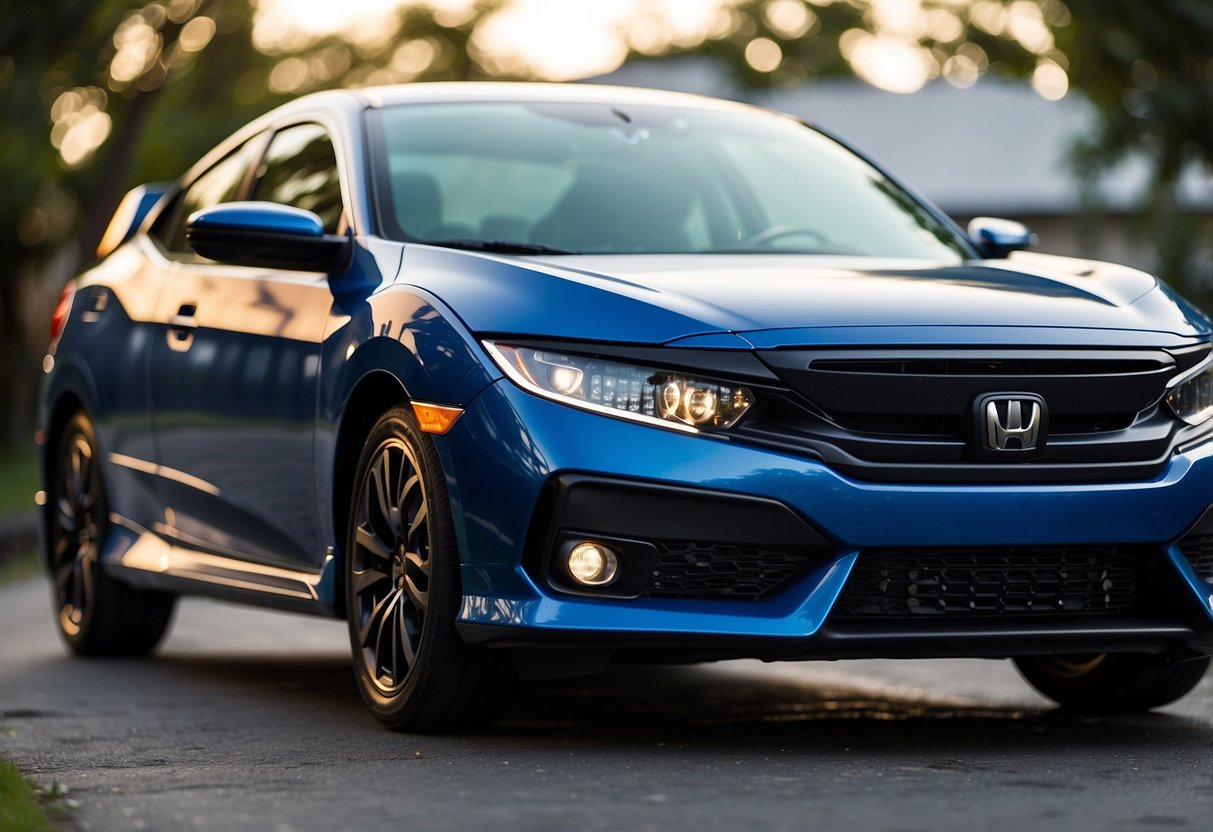
We always turn to the owner’s manual when it’s time for regular maintenance 🛠️, and it doesn’t disappoint when it comes to oil recommendations. The Civic’s maintenance schedule is clear—0W-20 synthetic oil is the way to go. Whether you’re popping the hood on a 1.5L model or a 2.0L one, synthetic oil keeps those emissions in check 🌡️ and helps your compact car run like a champ.
Our journey with the Civic’s maintenance minder has always been a reliable guide ⚙️. If you’re not sure about the oil capacity, here’s a quick note: 3.4 quarts for the 1.5L engine and 5.7 quarts for the 2.0L engine. Simple as that. Keeping this guide handy during oil changes can make sure everything runs smoothly and safely. 🚗
JUMP TO TOPIC
Recommended Oil for a 2017 Honda Civic
When it comes to the 2017 Honda Civic, choosing the right oil is crucial to keeping the engine running smoothly. We should use full-synthetic 0W-20 motor oil. This oil type works well for all engine sizes and trims of the Civic, including LX and Touring models.
Using the wrong oil can affect the engine’s performance and longevity.
For the 1.5L four-cylinder engines, the oil capacity is 3.4 quarts. Meanwhile, the 2.0L engines require 5.7 quarts of oil. This difference in capacity is important for ensuring proper lubrication and performance.
Here’s a quick breakdown:
| Engine Size | Oil Capacity |
| 1.5L | 3.4 quarts |
| 2.0L | 5.7 quarts |
It’s best to stick with Honda Genuine Motor Oil. It is specially formulated to meet the needs of Honda engines. This ensures your Civic stays reliable and performs at its best.
Remember, regular oil changes are key. They help in maintaining engine horsepower and torque. By keeping up with these changes, we can enjoy a smooth and efficient ride.
Let’s keep our 2017 Honda Civic running optimally. Using the right oil type and following the recommended guidelines goes a long way in safeguarding our car’s engine.
Types of Engine Oil
When it comes to engine oil, there are several types to choose from, each with its own special benefits. 🔧
Let’s break down the main types:
-
Conventional Oil: This is the most basic type of motor oil. It’s less expensive than synthetic, but doesn’t last as long. You might need to change it more often, which means more frequent visits to the mechanic. 🚗
-
Synthetic Oil: Full-synthetic oil is designed to provide better performance and protection. It’s pricier, but can help your engine last longer. Brands like Mobil 1 and Valvoline High Mileage are popular choices.
-
Synthetic Blend: This is a mix of conventional and synthetic oils. It offers good protection and is more affordable than full-synthetic. It’s a middle-of-the-road option for many drivers.
-
High-Mileage Oil: This type is specially formulated for cars with over 75,000 miles on them. It helps reduce oil consumption, minimize leaks, and extend the life of older engines. 🛠️
Each type of oil has its advantages. The key is finding what works best for your 2017 Honda Civic. The 0W-20 full-synthetic oil is recommended for the best performance.
We’ll also want to look for the API Certification Seal. This seal ensures the oil meets certain industry standards. Using API-certified oils helps protect against friction and wear and tear on the engine.
Here’s a quick comparison for easy reference:
| Oil Type | Benefits | Usage |
| Conventional | Cost-effective, basic protection | Regular maintenance, short trips |
| Full-synthetic | Best protection, longer intervals | High performance, heavy usage |
| Synthetic blend | Balanced performance and cost | Everyday driving |
| High-mileage | Special care for older engines | Cars with 75,000+ miles |
Synthetic vs. Conventional Oil
Choosing between synthetic and conventional oil can be a head-scratcher. Both have their perks and pitfalls.
Synthetic Oil 🔧🛠️:
These oils usually offer better performance under extreme temperatures. They’re also good for fuel efficiency, helping us save a bit on gas. On icy winter mornings, synthetic oils flow more easily, protecting our engines.
Conventional Oil ⚙️🚗:
Conventional oil is made from refined crude oil and has been in use for a long time.
Conventional oils may be less expensive, but they often break down faster, especially in severe conditions like sweltering heat or heavy city driving. This might mean changing the oil more frequently.
Comparative Table:
| Aspect | Synthetic Oil | Conventional Oil |
| Price | More expensive | Cheaper |
| Performance | Better in extreme conditions | Good, but can degrade faster |
| Longevity | Longer oil change intervals | Needs more frequent changes |
Hybrid Option:
These give us a mix of synthetic and conventional at a more affordable price. They’re a happy medium for those who want a bit of both worlds.
In the end, the best choice depends on our driving conditions, climate, and how much we’re willing to spend. 🚨💡🚗
How to Check Oil Levels
Let’s go through how to check the oil levels on a 2017 Honda Civic. 🚗 It’s simple and something we can all do with the right tools and a bit of know-how.
First, park the car on a level surface and let the engine cool down. 🅿️ This ensures an accurate reading and prevents burns.
Next, pop the hood. You’ll need to locate the dipstick. It’s usually a bright color, like yellow or orange.
Steps:
- Pull Out the Dipstick: Carefully remove it and wipe it clean with a cloth. We don’t want any old oil interfering with our reading.
- Reinsert the Dipstick: Push it all the way back in, then pull it out again.
- Check the Level: Look at the oil level. It should be between the two marks on the dipstick.
There’s a few things to remember:
- Oil Type: We want full-synthetic 0W-20 motor oil for best performance. 🌡️
- Oil Capacity: Depending on the engine size, it ranges from 3.4 quarts for the 1.5L engine to 5.7 quarts for the 2.0L engine.
Tools Needed:
- Clean cloth
- Funnel
- Oil (0W-20 synthetic)
If it’s low, remove the oil fill cap and add a little at a time. Check the dipstick again after each addition until it’s in the sweet spot. 🚨
Tips and Tricks:
- Always keep an eye out for any leaks which can lead to low oil levels. 🔧
- It’s best to check the oil levels every few weeks, or at least before and after long trips. 🌍
Checking your oil level regularly keeps our engine happy and healthy, preventing costly repairs and ensuring smooth drives. Happy checking! 🛠️

We love what we do, and it shows in everything we do and more. We share our knowledge, here on Ran When Parked.
- Car Jerks When Accelerating Slowly – Causes and Fixes - January 8, 2026
- Check Engine Light On but Car Runs Fine – Causes Explained - January 4, 2026
- Car Shakes When Idling but Drives Fine – Causes & Fixes 2026 - January 4, 2026