
A door panel is essentially the face of a door. When we walk through doors every day, we hardly give it a thought, but the various styles and designs of door panels are what give doors their character. From the elegance of wood to the durability of steel, door panels not only contribute to the aesthetic vibe of a space but also play a pivotal role in the security of a home. It’s like picking out the perfect outfit for your house—it needs to look good but also protect you from the elements.
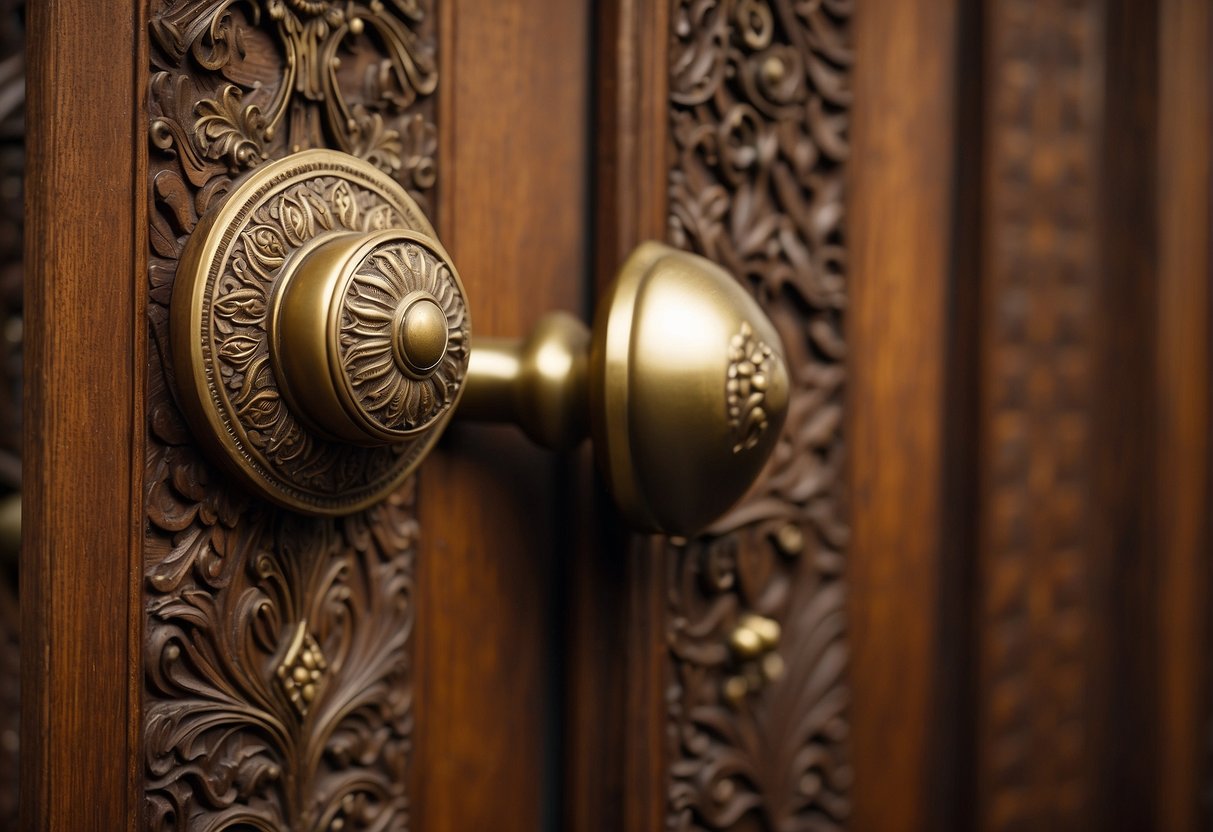
Materials have since branched out, incorporating steel, fiberglass, and even glass into the mix. This isn’t just for kicks; each element brings something unique to the table. Metal doors, for example, are the strong silent type—giving us peace of mind with their robust security. Glass panels, on the other hand, play with light and space, opening up rooms and winking at the outside world. Here, it’s not just about designing a secure door but also about setting the stage for your home—each design cue, from raised panels to flush finishes, tell a different story. It’s about striking that fine balance between charm and fortress-level security. After all, our homes are our castles, so why shouldn’t our doors reflect that?
JUMP TO TOPIC
Exploring Door Materials and Construction
As we consider the various materials that comprise door panels, the qualities of each become critical in determining their suitability for different home environments. Let’s dive into the world of door construction and materials.
Understanding Wood Species and Durability
Innovative Use of MDF and Engineered Woods
Engineered woods, like MDF (Medium-Density Fiberboard) and plywood, offer a twist on the traditional. These materials bring exceptional consistency and resilience to the table, often featuring a veneer of real wood for that timeless look. They stand up well to changes in temperature and humidity, practically ensuring they maintain their form without warping.
Significance of Core Types: Solid and Hollow
Our door’s core type is a big game-changer. Solid core doors boast a dense inner layer, providing sound insulation and a hefty feel akin to solid wood at a fraction of the cost. On the flip side, hollow core doors are lightweight champions in affordability and ease of installation, ideal for areas where sound transmission isn’t a big concern. It’s all about matching the core to our needs!
We weave durability into every panel, ensuring the choice we make suits our homes to a tee. Whether it’s the classic charm of wood or the modern efficiencies of engineered options, each material brings a unique set of properties to the threshold of our personal sanctuaries.
Design and Style Considerations for Doors
Choosing the right design for a door is like picking the perfect accessory to complement your outfit—it’s all about striking the right balance between functionality and flair. We must consider not only the appearance of a door but also how it interacts with the space it resides in.
Evolving Trends in Door Panel Designs
We’re seeing a trend where clean lines and minimalist styles become the talk of the town. Flush doors and Shaker-style doors are gaining popularity for their simplicity and understated elegance.
Contrastingly, panel doors remain a staple with their classic look and ability to add character to any home with their raised panels and depth.
Impact of Glass Elements on Aesthetics and Light
Introducing glass panels into doors is like letting sunshine into a dim room—it transforms the space.
, brightening up your interiors and often making them appear more spacious. However, we should also consider privacy—frosted or textured glass can provide a happy medium.
Influence of Door Styles on Interior and Exterior
The style of a door can say a lot about a space before you even step foot inside.
A barn door
infuses a rustic charm perfect for a cozy, country feel, while sleek sliding doors offer a modern and space-saving solution. The door’s appearance, be it bold or subtle, contributes to the ambiance of both the interiors and exteriors.
Installation, Replacement, and Maintenance
Proper door panel installation, timely replacement, and regular maintenance are crucial for ensuring durability and optimal performance. Let’s get our hands dirty and dive straight into the nitty-gritty of door panels!
Correctly Fitting Doors: Frames and Measurements
Rule of Thumb: Measure Twice, Fit Once.
We’ve all heard it before: Measure twice, cut once. It’s no joke when it comes to installing door panels. First off, you want to make sure your door frame is as square as a bookish nerd’s glasses. If it’s wonky like a funhouse mirror, you’ll have a harder time than a cat trying to swim. So, grab that measuring tape and get to work:
- Height and Width: Check these both at the top, middle, and bottom.
- Squareness: Diagonal measurements should match up.
- Gap Consistency: Look for an even gap around the door for smooth operation.
Addressing Wear and Tear: When to Replace
When your door starts creaking like a pirate ship or looks as beat as a well-loved pair of sneakers, it’s replacement time. Here’s to knowing when to bid farewell to the old panel:
| Signs of Wear | What to Look For |
| Rot or Mold | Discoloration, soft spots, or a funky smell. |
| Broken Parts | Cracks, or the panel doesn’t sit flush anymore. |
| Performance Impact | Door gets stuck or doesn’t insulate well. |
Neglecting these signs can lead to bigger issues like structural damage or even security risks. Better safe than sorry!
Preventive Measures Against Rot and Mold
Staying ahead of the game beats playing catch-up. To shield your pride and joy from the dastardly duo of rot and mold, keep these pointers in our arsenal:
-
Seal and Paint: A fresh coat of paint and proper sealing fend off the elements like a trusty umbrella. Don’t be skimpy on the sealant, especially if you live somewhere with more weather mood swings than a teenager.
-
Regular Cleaning: Just like our pearly whites, regular cleaning keeps door panels tip-top. A mild soap and water routine helps to spot early signs of wear and tear before they go rogue.

We love what we do, and it shows in everything we do and more. We share our knowledge, here on Ran When Parked.
- Car Jerks When Accelerating Slowly – Causes and Fixes - January 8, 2026
- Check Engine Light On but Car Runs Fine – Causes Explained - January 4, 2026
- Car Shakes When Idling but Drives Fine – Causes & Fixes 2026 - January 4, 2026