
Nothing can make you sweat more than seeing a mysterious light appear on your car’s dashboard. In our trusty Honda Civics, one such light is the wrench icon. This wrench light usually means that your Honda Civic needs maintenance. When this little orange light pops up, it’s not about immediately panicking, but rather a reminder that your car is asking for some attention. 🚗🔧
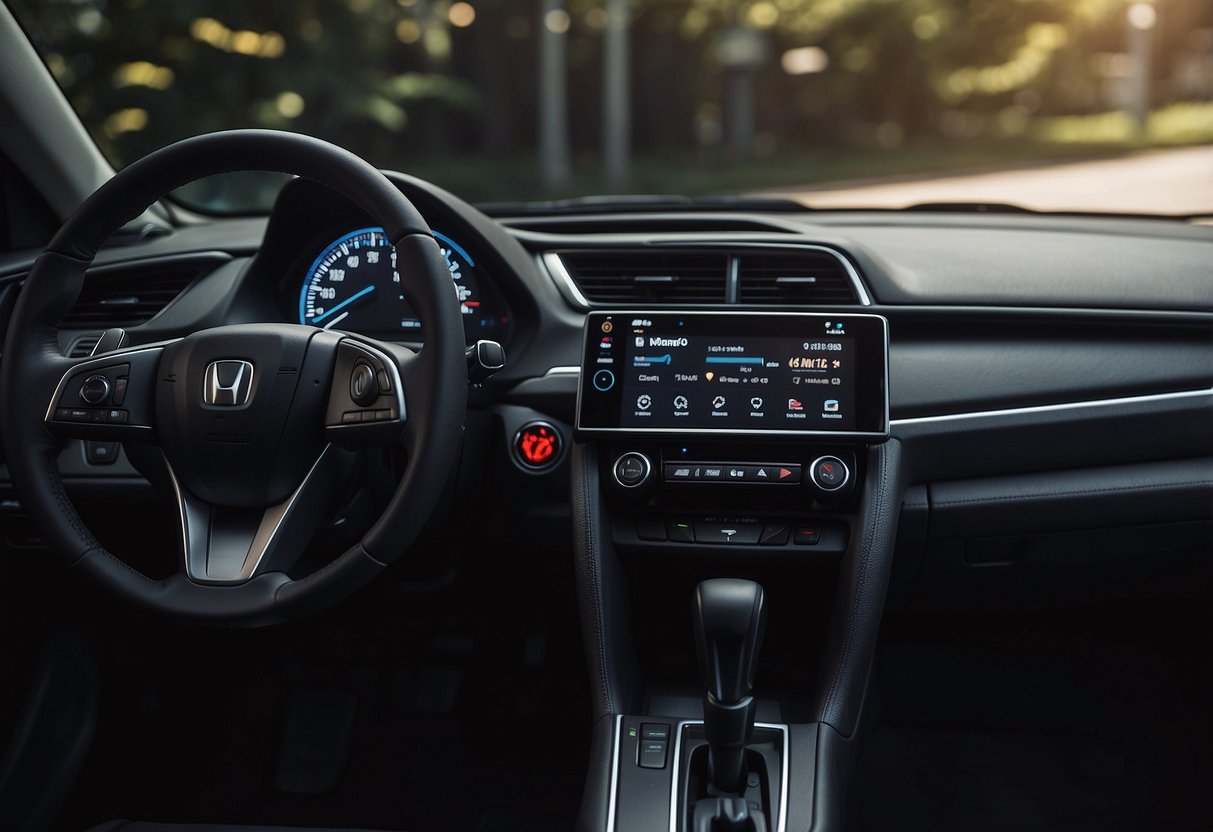
The wrench light is triggered by various factors. It could be related to your car’s mileage, time elapsed since the last service, or specific driving conditions. We’ve seen that it often emerges when routine services like oil changes, tire rotations, or filter replacements are due. Ignoring it isn’t wise, as these services keep our car running smoothly and efficiently. 🛠️🅿️
Ever been stuck not knowing what to do next? Fear not! Your owner’s manual is your best buddy in these times. It lays out the steps to reset the light after you’ve ticked off the necessary maintenance tasks. Alternatively, a quick visit to a mechanic can also get the job done. Either way, keeping our Civic in top shape ensures we’re always ready for the next adventure. 🏁⚙️
JUMP TO TOPIC
What Does The Wrench Light Mean On A Honda Civic
The wrench light on a Honda Civic is an important signal that appears on our dashboard. This light looks like a little orange wrench 🛠️ and is part of the Maintenance Minder System. It pops up when our car needs some love and care.
We might see this wrench light come on for several reasons, such as:
- Oil Change: When the oil life drops to 15%, the wrench light will remind us it’s time for a change.
- Tire Rotation: Regular tire rotation is essential for even wear, and the wrench light may alert us.
- Engine Check: Sometimes, it could indicate more serious issues like engine or transmission problems.
When the wrench light appears, it often accompanies a maintenance code. These codes tell us what specific service our car needs. Here’s a quick glance at what those codes can mean:
| Code | Service Needed |
| A1 | Replace engine oil |
| B1 | Oil and filter change, inspect front and rear brakes |
| B2 | Air filter and cabin air filter replacement |
Now, how do we reset this wrench light once the service is completed? Easy! Follow these steps:
- Turn on the ignition (don’t start the engine).
- Press the SEL/RESET button until the oil life indicator shows up.
- Hold the SEL/RESET button until the indicator blinks.
- Release and press the SEL/RESET button again until the oil life resets to 100%.
And that’s it! Remember to pay attention to the wrench light whenever it appears on our dashboard, as ignoring it might lead to bigger problems down the line.
Possible Causes For The Wrench Light
The wrench light can appear for many reasons. Let’s break down some potential issues:
An overheating engine or transmission issues will trigger the light. If the engine oil or transmission fluid is low, the wrench light comes on.
Low fluid levels can cause engine damage or transmission failure, which would be expensive to repair. It’s vital to check engine oil and transmission fluid regularly to avoid this.
Faulty sensors, such as the mass airflow or oxygen sensors, can also light up the wrench. These sensors monitor the engine’s performance and emissions.
If these sensors fail, it might cause rough idling, poor fuel economy, and increased emissions. We’ll need to replace any faulty sensors immediately.
A loose or damaged gas cap can make the wrench light appear. This can affect the emission system by allowing fuel vapors to escape.
Ensure the gas cap is tight and secure after every refueling to prevent this.
When the engine overheats, the wrench light warns us of a potential overheating issue. Causes include low engine coolant or a malfunctioning radiator.
It’s crucial to check the coolant level and inspect the radiator regularly.
Problems with the powertrain, including the driveshaft and transmission, can also trigger the light. A malfunction here affects the vehicle’s performance and longevity.
Regular maintenance checks help prevent unexpected powertrain failures.
Finally, let’s not overlook the importance of regular maintenance reminders. The wrench light might also indicate it’s time for an oil change, brake fluid top-up, or other routine services. 🚗🔧
Steps To Take When The Wrench Light Appears
The wrench light on your Honda Civic means it’s time for maintenance. Follow these steps to keep your vehicle in top shape and get that light to go away.
Check The Maintenance Schedule
First things first, we need to look at the maintenance schedule. Your Honda Civic’s owner’s manual has all the details. It will tell you when different parts need service.
Usually, this light comes on for regular maintenance. Common triggers include oil changes, tire rotations, and filter replacements.
Perform Basic Maintenance
Let’s tackle the basics:
- Oil Change: This is the most common reason for the wrench light. Change the oil and replace the oil filter. This keeps the engine running smoothly.
- Air Filter: Replace the air filter if it’s dirty. This helps the engine breathe better.
- Tire Rotation: Rotate the tires to ensure even wear and extend their life.
Once we’ve done these tasks, we need to reset the oil life indicator. Here’s a quick guide:
- Turn on the ignition without starting the engine.
- Press the “Trip” button until the wrench light shows up.
- Hold the “Trip” button until the display starts blinking.
- Release the button, then hold it again until it resets to 100%.
When To Consult A Mechanic
Sometimes, DIY maintenance isn’t enough. If the wrench light stays on after you’ve done the basics, it might be time for a professional inspection. Here’s when to see a mechanic:
If you hear strange noises, smell something odd, or feel a change in how the car drives, don’t ignore it.
Here’s what a mechanic can do:
- Use an OBD-II scanner to read the diagnostic trouble codes.
- Perform a thorough inspection.
- Recommend necessary repairs.
Finding a trusted mechanic is key. If you have a Honda dealership nearby, they are equipped to handle these issues specifically for Hondas.
Taking these steps not only keeps your Honda Civic in great condition but also ensures a smooth and hassle-free driving experience.
Preventative Measures
Preventative maintenance is the key to keeping our Honda Civic running smoothly. It’s like giving our car a check-up before any big problems arise. Let’s dive into some essential routines:
-
Oil Changes 🔧
Regular oil changes are crucial. It’s wise to change the oil every 7,500 miles or 12 months, whichever comes first. This keeps the engine lubricated and prevents wear and tear. Don’t forget those oil filters too! -
Tire Rotations 🛠️
Rotate the tires every 5,000 to 7,000 miles. This ensures even wear and helps extend the life of our tires. Properly inflated and balanced tires are essential for safe driving. -
Filter Replacements 🌫️
Replacing the air cleaner element regularly ensures that the engine gets clean air. This helps maintain fuel efficiency and engine performance. -
Routine Service Checks ⚙️
Following the service schedule in our Honda’s manual helps avoid unexpected issues. These checks can include spark plugs, brake pads, and other vital components. Scheduled maintenance prevents further damage and keeps everything in optimal condition. -
Tune-Ups 🏁
A tune-up once a year can go a long way in keeping our vehicle in top shape. It might cost a bit, but it’s worth it to avoid bigger repairs down the line.
| Maintenance Task | Frequency |
| Oil Change & Filter | Every 7,500 miles / 12 months |
| Tire Rotation | Every 6,000 miles |
| Air Cleaner Replacement | Every 15,000 miles |
| Routine Service Checks | As per manual |
Staying on top of these tasks ensures our Honda Civic runs like a charm. Let’s keep those wrench lights off and enjoy the ride! 🚗

We love what we do, and it shows in everything we do and more. We share our knowledge, here on Ran When Parked.
- Car Jerks When Accelerating Slowly – Causes and Fixes - January 8, 2026
- Check Engine Light On but Car Runs Fine – Causes Explained - January 4, 2026
- Car Shakes When Idling but Drives Fine – Causes & Fixes 2026 - January 4, 2026