
When it comes to engine choices, the boxer engine often stirs up debates. Thanks to its unique design, this internal combustion engine packs some intriguing features. With pistons moving horizontally, it sits low, giving vehicles a lower center of gravity. This enhances stability and handling, which is a big win for driving enthusiasts.
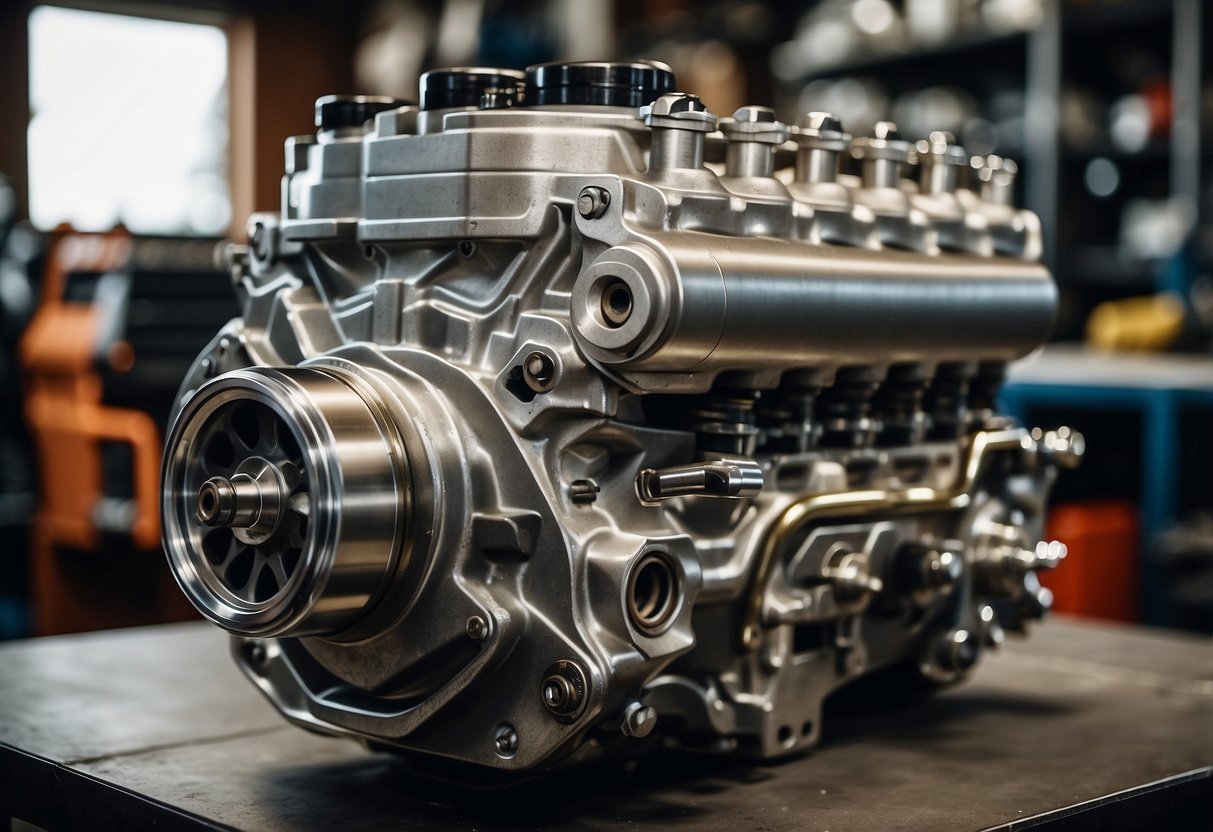
Sure, nothing’s perfect. The Subaru 2.5-liter boxer engine, for example, has had its share of troubles. Common issues include oil burning, oil starvation, and those pesky head gasket failures. It’s a bit of a mixed bag. You might love the sporty handling but dread the frequent stops at the mechanic.
Nonetheless, for some, the balance of horsepower, torque, and fuel economy makes the boxer engine worth the gamble. If you’re looking for a blend of performance and efficiency, this engine might be right up your alley. Ready to dive deeper into the pros and cons? Let’s get rolling! 🚗💡
JUMP TO TOPIC
Understanding the Subaru Boxer Engine
The Subaru Boxer Engine is distinctive for its horizontally opposed design, which offers unique performance and efficiency benefits. This engine type is emblematic of Subaru vehicles and appears in many of their models.
Fundamentals of the Boxer Design
The Boxer Engine is a flat engine with cylinders arranged in two opposing rows. Instead of pistons moving up and down, they move horizontally, facing each other. This arrangement resembles sparring boxers, hence the name.
Because the engine is flat, it fits low in the engine bay. This leads to a lower center of gravity for the vehicle, enhancing stability and balance. The design reduces the need for balance shafts and counterweights, making the engine more efficient.
Technical Advantages of Boxer Configuration
The horizontally opposed design offers several technical advantages. The low placement in the engine bay lowers the vehicle’s center of gravity, contributing to improved handling and reduced rollover risk. Additionally, the opposing pistons cancel out each other’s vibrations, leading to smoother operation and reduced vibration.
The design is also compact, which allows for more efficient packaging within the vehicle. This can result in better weight distribution, enhancing cornering performance and overall driving feel. However, it may be more complex to service compared to inline engines.
Common Models With Boxer Engines
We see Boxer Engines in numerous Subaru models. The Subaru WRX and WRX STI are performance cars well-known for their turbocharged Boxer Engines.
In Subaru’s SUV lineup, the Forester, Outback, and Ascent sport these engines, maximizing space and stability. The Subaru Impreza, Legacy, and BRZ also utilize this design, balancing daily driving with sporty handling.
| Model | Type | Engine |
| WRX | Performance | Turbocharged Boxer |
| Forester | SUV | Boxer |
| BRZ | Sport | Boxer |
Understanding these aspects helps us appreciate why Subaru sticks with the Boxer Engine despite the rising popularity of other configurations.
Performance and Reliability Factors
Subaru’s boxer engines are known for their unique design and benefits. They offer excellent performance features while also having some specific maintenance considerations. Let’s break it down.
Performance Benefits
These engines have a low center of gravity due to their horizontally opposed pistons. This improves handling 🏁 and provides a smooth driving experience. They are often found in vehicles with all-wheel drive, such as the Subaru WRX, which enhances stability and traction on various terrains.
Another perk is acceleration ⚡. The 2.5-liter turbocharged boxer engine offers impressive power and makes driving more exciting 💨. And don’t forget that distinct engine noise that many of us auto enthusiasts love.
In terms of fuel efficiency, these engines tend to be lighter and can be more efficient, though this can vary based on the model and how it’s driven.
Maintenance and Reliability
While boxer engines have many strengths, their reliability can be a mixed bag. They are known for certain issues like head gasket problems 🛠️. It’s not uncommon for these gaskets to fail, especially in older models, which can lead to oil leaks and overheating 🌡️. Regular maintenance, such as frequent oil changes, is crucial to longevity.
Subaru has addressed some of these issues over time with improvements in newer engines. The durability of these engines, when maintained properly, can be quite good, but the need for diligent upkeep can be a bit of a hassle for some.
An all-wheel-drive system combined with a boxer engine can put extra strain on the powertrain, so keeping an eye on all components is key to preventing costly repairs 🚗💰. These engines have been subject to lawsuits regarding engine defects, so make sure to stay updated on recalls and manufacturers’ recommendations.
Cultural and Historical Significance
The boxer engine isn’t just about mechanics. It has played a huge role in car brands like Subaru and Porsche, shaping their cultures and histories in the automotive world.
Subaru’s Brand Legacy and Innovation
Subaru, with its roots in Fuji Heavy Industries, made history with the Subaru 1000 in 1966. The unique boxer engine has been critical to Subaru’s identity ever since. By maintaining this design, Subaru has set itself apart from other brands like Honda and Toyota.
This choice aligns with Subaru’s commitment to reliability and performance. The EJ20 and EJ25 engines, found in iconic models like the WRX STI and Legacy, showcase Subaru’s dedication to robust engineering. These engines are celebrated for their low center of gravity, providing better stability and handling, two aspects that car enthusiasts value highly.
Iconic Models and Motorsports Heritage
In motorsports, Subaru’s boxer engines have a legendary reputation. Models like the WRX STI have dominated rally racing, proving the engine’s performance in extreme conditions. Their symmetrical design gives racers a real edge with better balance and agility.
Subaru’s racing success has not just been about winning trophies. It has built a loyal fan base and boosted the brand’s image. Vehicle models like the Subaru Forester and Subaru BRZ also carry this DNA, appealing to those who value both everyday driving and sporty flair.
Brands like Porsche, and historically Mercedes-Benz, have also embraced boxer engines, but Subaru’s application is particularly noteworthy for its blend of innovation and reliability.

We love what we do, and it shows in everything we do and more. We share our knowledge, here on Ran When Parked.
- Car Jerks When Accelerating Slowly – Causes and Fixes - January 8, 2026
- Check Engine Light On but Car Runs Fine – Causes Explained - January 4, 2026
- Car Shakes When Idling but Drives Fine – Causes & Fixes 2026 - January 4, 2026