
Whether you’re driving a 2003 or a 2017 Honda Accord, keeping an eye on brake fluid is crucial for safety. Don’t worry; it’s not rocket science. Checking brake fluid levels can be quick and straightforward, and it helps prevent unexpected brake failures. We all love our Hondas, and this simple check ensures they treat us well on the road. 🚗
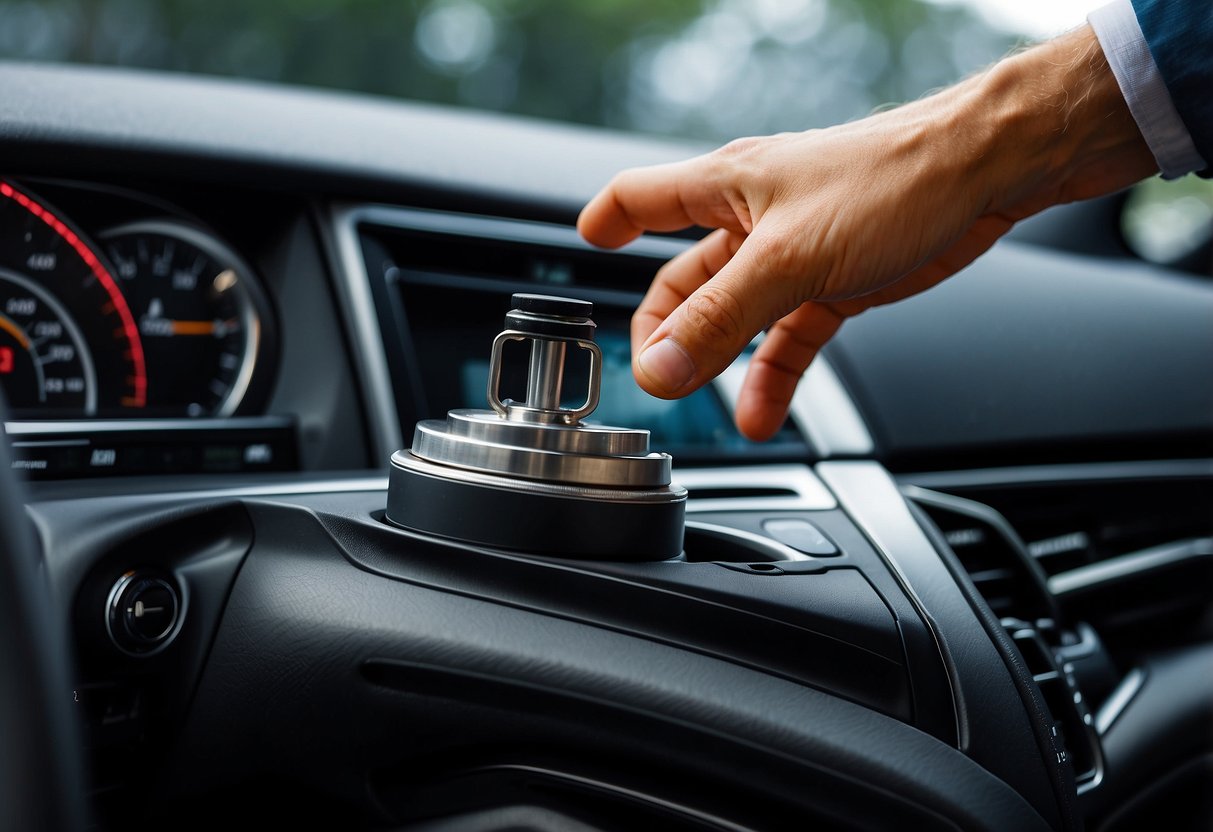
Most of us have that moment of panic over maintenance, but it’s simpler than it seems. One quick peek tells us if the fluid is low or if it’s time for a change. If the fluid is dark or murky, it’s a sign it’s past its prime. Just pop the hood, find the brake fluid reservoir (usually on the driver’s side), and inspect the fluid level through the transparent container. It’s that easy! 💧
No one wants their car to turn into a lawn ornament. 🅿️ Regular checks keep our brakes in top shape, giving us peace of mind. We’ve compiled the essential steps from trusted sources like CarCareKiosk and actual Honda owner’s manuals. Let’s dive in, shine that flashlight, and ensure our beloved Accords stay road-ready! 🚨
JUMP TO TOPIC
How To Check Brake Fluid Honda Accord
Checking the brake fluid in a Honda Accord is pretty straightforward. First, let’s locate the brake fluid reservoir. It’s usually a small, clear tank near the back of the engine bay, often next to the driver’s side.
Before we begin, make sure the car is parked on a level surface. Turn off the engine and let it cool down a bit. Safety first, folks! 🅿️
Step-by-Step:
- Open the Hood: Use the latch inside the car to pop the hood. Secure it with the prop rod.
- Locate the Reservoir: Find the brake fluid tank. It’s often labeled for easy identification.
- Check Fluid Level: The tank has “Minimum” and “Maximum” lines. The fluid should be between these lines.
- Inspect the Fluid Color: Fresh brake fluid is usually light in color. If it’s dark, it might be time for a change.
Here’s a simple checklist:
– Check fluid regularly 🗓️
– Use clean tools for the job 🧰
– Follow Honda’s guidelines 📖
– Replace fluid if dirty 🔧
For Honda Accords, including models from 2003 to present, these steps are generally the same. If you’re not confident, it’s best to consult an ASE certified technician for help. They can make sure everything is in tip-top shape. 🚗💨
Remember, regular maintenance saves us from hefty repair costs and keeps our Honda running smoothly. Let’s keep safe and enjoy the ride!
Signs You Need To Check Brake Fluid
Unusual Brake Pedal Feel 🚗
Ever feel like your brake pedal is acting weird? If the pedal feels spongy or sinks to the floor, it’s time to check the brake fluid. In our Honda Accord, this can mean there’s air in the brake lines or the fluid is low. Don’t ignore this!
Brake Warning Light 🚨
Is that pesky warning light on your dashboard? It might be more than a glitch. The brake warning light usually means the brake fluid level is low. Pop the hood and peek at the brake fluid reservoir to be sure.
Slow Braking Response 🏁
Are you finding it hard to stop quickly? Poor brake performance can be linked to low or dirty brake fluid. If our Honda Accord is taking longer to brake, it’s time to inspect that fluid.
Fluid Color Changes 🌡️
Brake fluid should be nearly clear or honey brown. If it’s dark or murky, it’s time for a change.
Fluid Leaks ⛽
Spot a puddle under the car? Brake fluid has a unique, oily feel and usually yellow or brown color. This can mean a line is leaking.
Don’t ignore leaks. They can be a serious danger.
Boiling Point Issues 🔥
Brake fluid works best under high temperatures. If it’s old, it’s boiling point drops. This can lead to brake fade. For our Honda Accord, we need fresh fluid to handle heat efficiently.
Rust and Debris 🛠️
Open the reservoir and spot rust or debris? This contamination can harm the brake system. It’s essential to keep the brake fluid clean for top performance. If you see any gunk, it’s time to flush the system.
Summary in a Table 📝
| Sign | Indicator | Action |
| Spongy Pedal | Air in Lines | Check Fluid |
| Warning Light | Low Fluid | Refill Fluid |
| Slow Braking | Low Performance | Check Fluid |
Keep a close eye on these signs to ensure your Honda Accord’s brakes are in top shape.
Materials Needed
Before starting, let’s make sure we have everything handy. You don’t want to find yourself halfway through the process and discover you’re missing a key tool. Here’s a list of what we’ll need:
- Brake Fluid (DOT 3, DOT 4, or DOT 5) 🛠️
- Turkey Baster – Yes, the one you use for Thanksgiving! It’s great for suctioning out old fluid.
- Clean Rags – To wipe up any spills. Brake fluid is corrosive.
- Motive Power Bleeder – This device helps to bleed the brakes efficiently.
- Small Funnel – Makes it easier to pour new fluid without spilling.
- Gloves – Protect your hands from the brake fluid.
- Safety Goggles – Because we love our eyes!
Never use an opened bottle of brake fluid if it’s more than a year old. Brake fluid can absorb moisture from the air.
Here’s a nifty table to remember the different brake fluids:
| Types of Brake Fluid | Characteristics | Usage |
| DOT 3 | Most common, absorbs water | Light to medium duty vehicles 🚗 |
| DOT 4 | Higher boiling point | High-performance vehicles 🏁 |
| DOT 5 | Does not absorb water, silicone-based | Specialty and antique vehicles 🚨 |
That’s it! Let’s get started on checking that brake fluid. 🚗 💨
Step-by-Step Guide to Checking Brake Fluid
Checking the brake fluid in our Honda Accord ensures our brakes function reliably. Here’s how we do it:
Open the Hood
First, we pop the hood. Make sure the engine is cold and the car is parked on a level surface.
Locate the Master Cylinder
The master cylinder reservoir is usually near the back of the engine compartment, on the driver’s side. Look for a small, clear container.
Clean the Reservoir
Before opening the reservoir, wipe it clean to prevent dirt from entering. This helps avoid damage to the brake system.
Check the Fluid Level
The reservoir has MIN and MAX lines. If the fluid is below the MIN line, we need to add brake fluid. Be cautious if it’s near the MIN line – it might signal worn brakes or a leak.
Add Brake Fluid if Needed
If the fluid level is low, we can add the recommended brake fluid type from our owner’s manual. ⛽
Inspect for Leaks
Look around the master cylinder, brake lines, and calipers for any signs of leaks. Leakage can cause brake failure.
Brake Bleeding Process
If we’ve added fluid or noticed air in the system, we may need to bleed the brakes. This removes air bubbles that can affect braking.
Replace Brake Fluid
Brake fluid should be replaced every 2 years or as specified in the manual. Old fluid can absorb moisture, reducing effectiveness.
Never mix different types of brake fluid. It can damage the brake system.
Wrap-Up
By regularly checking and maintaining our brake fluid, we ensure our Honda Accord’s brakes remain in top condition. This simple routine keeps us safe on the road. 🛠️🚗
Precautions When Handling Brake Fluid
Handling brake fluid requires careful attention to ensure both our safety and the longevity of our car’s braking system. Let’s dive into some key points to watch for.
Brake fluid is hygroscopic, meaning it absorbs moisture from the air. Always keep the brake fluid container sealed when not in use.
Avoid Moisture
Brake fluid absorbs water vapor from the air, which can cause internal components to rust out. Keep the cap on the brake fluid bottle tightly closed when not in use to avoid unwanted moisture entering the system.
Wear Protective Gear
Using gloves and goggles is essential. Brake fluid can be harmful to our skin and eyes. Safety first! 🛠️
Store Properly
Always store brake fluid in a cool, dry place to prevent it from going bad. An opened bottle can degrade over time due to moisture.
Prevent Spills
Accidental spills can wreak havoc. Brake fluid can damage car paint and other surfaces. Keep paper towels or rags handy to clean up immediately.
Look for Contamination
Never mix old brake fluid with new. Dirt and other contaminants can cause corrosion and reduce brake efficiency.
Dispose Responsibly
Don’t pour used brake fluid down the drain. Properly dispose of it according to local regulations. Many auto parts stores offer recycling services.
Remember to always be cautious and take your time when dealing with brake fluid. It’s all about keeping our Honda Accord running smoothly and safely. 🚘
Maintaining Brake Fluid Levels
Maintaining brake fluid levels in our Honda Accord is crucial for safe driving. It’s not rocket science but it requires a bit of attention. Always start by parking the car on a flat surface and ensuring the engine is cool.
✅ Tools Needed:
- Clean cloth
- Brake fluid (DOT 3 or 4)
- Funnel
Brake fluid can drop due to leaks, which we should check for regularly. When we see the level low, it’s sometimes a sign the brake pads are wearing down.
It’s essential to flush and replace the brake fluid every 3 to 5 years, even if the level looks fine. The fluid absorbs moisture over time, reducing its effectiveness. Ignoring this can lead to brake failure, causing 🚨 dangerous situations.
Step-by-Step Guide:
1. **Locate the Brake Fluid Reservoir** 🛢️: It’s typically near the driver’s side, under the hood.
2. **Check Fluid Level**: The reservoir has “MIN” and “MAX” marks. The fluid should sit between these levels.
3. **Topping Up**: If low, clean the cap before opening to avoid contaminants. Use a clean funnel to add brake fluid up to the “MAX” mark.
4. **Close the Cap**: Ensure it is sealed tightly.
Never mix different types of brake fluid. Always use the type recommended by Honda.
If we’re unfamiliar with these steps, seeking professional help can be a wise choice. Safety first, folks! 🚗💡

We love what we do, and it shows in everything we do and more. We share our knowledge, here on Ran When Parked.
- Car Jerks When Accelerating Slowly – Causes and Fixes - January 8, 2026
- Check Engine Light On but Car Runs Fine – Causes Explained - January 4, 2026
- Car Shakes When Idling but Drives Fine – Causes & Fixes 2026 - January 4, 2026