
We’ve all been there—ready to head out, but our trusty Honda Civic won’t start. Super frustrating, right? Here, we’ll dive into some common issues and get your ride back on track.
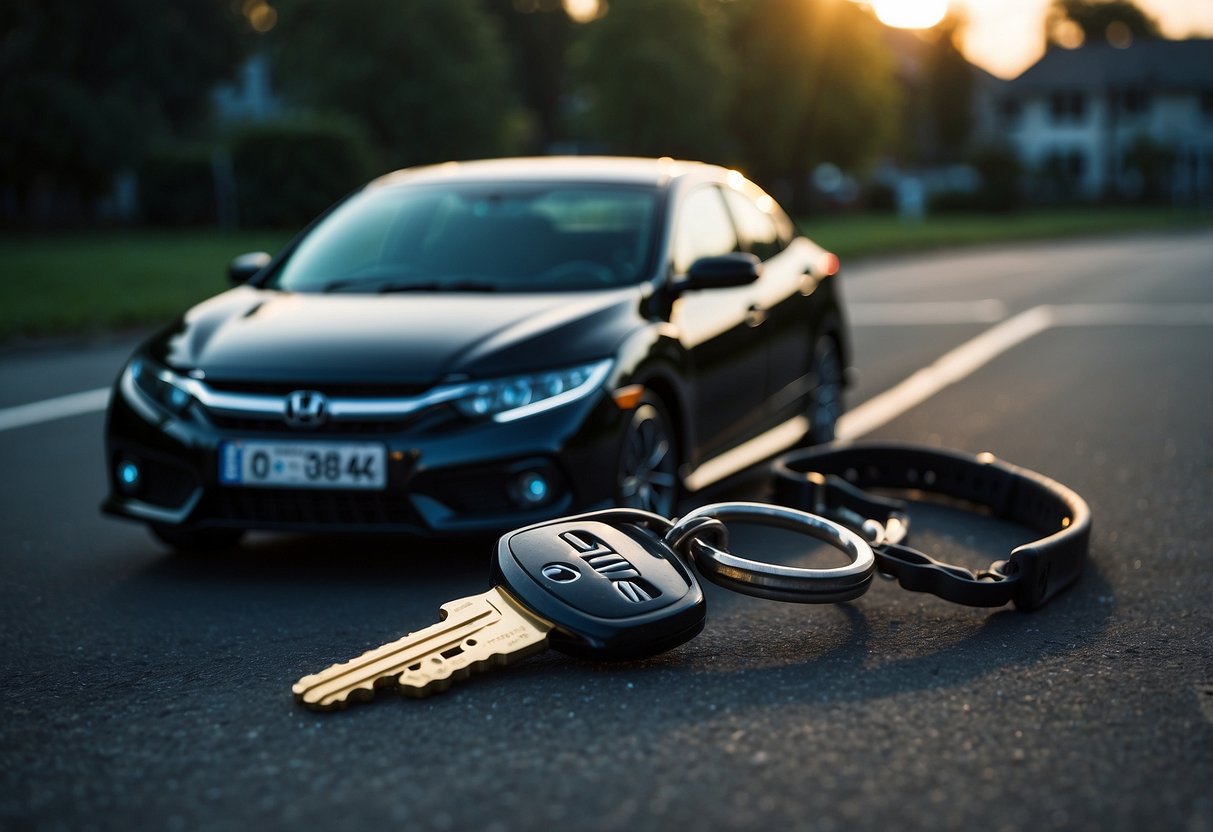
Let’s get to the bottom of things: the most common reason why your Honda Civic won’t start is a depleted battery. If your lights come on but the engine won’t crank, it’s likely an ignition issue or even a faulty key fob. Jumper cables can be a quick solution to jump-start your car and get it going temporarily.
On the other hand, if your engine is turning over but not starting, we should check for ignition problems, issues with the alternator, or clogged fuel filters. It’s worth paying attention to the check engine light and any error codes it shows, as they can give us clues to what’s wrong.
JUMP TO TOPIC
Common Causes of a Honda Civic Not Starting
When a Honda Civic won’t start, the issue could stem from the battery, starter motor, fuel system, or ignition switch. Each part plays a crucial role in starting the car, and problems in any of these areas can leave us stranded.
Battery Issues
The battery is often the main culprit when our car won’t start. A dead or depleted battery means there is no power to turn the engine. Loose or corroded battery cables also prevent proper power flow. Sometimes, battery age comes into play; older batteries are more likely to fail.
We can check the battery by looking for corrosion on the terminals or using a multimeter to check voltage. If jump-starting the car gets it running, the battery is likely the issue. Inconsistent starting may also point to a faulty alternator, failing to keep the battery charged.
Starter Motor Problems
The starter motor’s job is to crank the engine. A bad starter motor will make a clicking or grinding noise but won’t crank the engine. This may also be due to battery problems or issues with the ignition system.
Sometimes, a faulty starter motor won’t even click. If the car won’t crank at all but lights and accessories work, we might be facing a defective starter motor. Checking the wiring to the starter motor is also important, as loose connections can mimic starter problems.
Fuel System Failures
Without fuel, the engine can’t run. The fuel pump draws gas from the tank to the engine. A bad fuel pump stops this flow, causing failure to start. Clogged fuel filters or a broken fuel line can also prevent the engine from getting fuel.
Signs of fuel system failures include:
- The car cranks but won’t start.
- No sound from the fuel pump when turning the key.
- Engine starts but then stalls.
Inspecting the fuel injection system and fuel pump system may reveal these issues.
Ignition Switch Malfunctions
The ignition switch sends power from the battery to the starter motor. If it fails, our car won’t start no matter what. Trouble spots include worn-out ignition lock or corrosion within the switch.
Symptoms include:
- Intermittent starting problems.
- No dashboard lights when turning the key.
- Car starts but suddenly shuts off.
We can test this by gently jiggling the key in the ignition or replacing the ignition coil if it’s faulty.
Inspecting these common causes helps us pinpoint why our Honda Civic won’t start and guides us toward the right solution. 🚗 🛠️
How to Diagnose the Problem
We need to figure out why your Honda Civic isn’t starting. The key areas to check are the battery, the starter motor, the fuel system, and the ignition switch. Each part plays a crucial role in starting the car, and understanding these can help us find the problem.
Checking the Battery
First, let’s inspect the battery. If the engine doesn’t turn over and there’s no sound, the battery might be dead.
🔌 Use a multimeter to check the voltage. Connect it to the positive and negative terminals. A healthy battery should show above 11.89V.
- Less than this? Your battery likely can’t start the car.
- If it reads zero or close to zero, double-check connections.
💡 Another trick: try jump-starting the car. If it starts, it points to the battery needing a charge or replacement.
Inspecting the Starter Motor
Next, let’s look at the starter motor. If you hear a clicking sound when turning the key, it could be the starter.
🔧 Use a hammer to gently tap the starter. This can sometimes help if the starter’s contacts are worn.
If tapping doesn’t work, the starter might need replacing.
- Check the wires and connections to the starter.
- Ensure they aren’t loose or corroded.
💡 Pro Tip: If the starter motor is the culprit, it might be tricky to replace it yourself without some tools and experience.
Evaluating the Fuel System
No gas, no go. The fuel system is essential.
🛠️ Start by checking fuel levels. Is the tank empty?
- Check the fuel pump. You should hear a whirring sound when you turn the key to the “on” position. No sound might mean the pump isn’t working.
Fuel injectors: Inspect them for signs of damage or gumming. Sometimes they need cleaning to work properly.
🚨 If the fuel pump isn’t working or injectors are clogged, the engine won’t get fuel, causing no-start issues.
Testing the Ignition Switch
Last, let’s test the ignition switch. This is where the key comes into play.
🚗 If you turn the key and nothing happens, the ignition switch could be faulty.
🛠️ To test:
- Check key fob battery if your model uses a keyless start.
- Turn the key to the “on” position and see if the dashboard lights up. If not, the ignition may be bad.
Testing these parts methodically can help figure out why your Civic won’t start. By checking each, we can narrow down and often pinpoint the root cause. Let’s get under the hood and solve this! 🚗🔧
Steps to Fix Your Honda Civic
To get your Honda Civic running again, let’s go through some common solutions. We’ll cover replacing the battery, fixing the starter motor, tackling fuel system issues, and addressing ignition switch problems.
Replacing the Battery
If your Honda Civic won’t start, the battery might be the culprit. It’s often due to old age or bad connections.
- Check battery terminals: Loose or corroded terminals can stop your car from starting. Clean any corrosion and tighten them.
- Battery voltage: Use a multimeter. A healthy battery should show around 12.6 volts when fully charged.
Always disconnect the negative cable first to avoid sparks.
- Replace the battery: If it’s not holding charge, head to an auto parts store 🛠️ and grab a new one.
Repairing or Replacing the Starter Motor
A faulty starter motor means your car won’t crank.
- Listen for a click: If you hear a clicking sound but the engine doesn’t turn, it might be the starter.
- Check connections: Ensure cables to the starter are secure and free from corrosion.
- Tap the starter: Sometimes a gentle tap can temporarily fix a sticky starter. Use a hammer gently.
| Starter Motor | Symptoms |
| Bad starter | Clicking sound, no crank |
| Corroded connections | Intermittent starting issues |
Addressing Fuel System Issues
Issues with the fuel system might keep your Civic from starting.
- Listen for the fuel pump: Turn the key and listen for a humming noise from the rear. No sound? It might be the fuel pump.
- Jump wires: Jump the Black/Yellow #5 wire to the Yellow/Green #7 wire at the relay connector. If the pump works, the relay or another issue might be the problem.
- Fuel filter: A clogged filter can stop fuel from reaching the engine. Consider replacing it 🚗.
Fixing the Ignition Switch
A bad ignition switch can prevent your Honda Civic from starting.
- Symptoms: If electrical components work but the engine doesn’t crank, the switch may be faulty.
- Test the switch: Turn the key to the “ON” position. If dash lights don’t come on or seem dim, suspect the ignition switch.
- Replace the switch: If it’s bad, replacing it might be necessary. You can find a replacement at most auto parts stores.
By addressing these key areas, we can effectively troubleshoot and fix most start-up issues. Let’s get that Honda Civic back on the road! 🏁
Maintenance Tips to Avoid Starting Problems
Keeping our Honda Civic in great shape means making sure key components are in top condition. Regular battery checks, starter motor inspections, fuel system maintenance, and care for the ignition system are essential.
Regular Battery Checks
🔋 A healthy battery is vital for starting the car. We need to check the battery terminals for corrosion. Look for white, ashy deposits around the connections. Cleaning these deposits with a wire brush can help.
Using a multimeter, we can measure the battery voltage. A fully charged battery should read about 12.6 volts. If the reading is less than 12.4 volts, it’s time to recharge the battery. Performing load tests can also show if the battery is strong enough to power the car. If our Civic struggles to start, the battery may need replacement.
Routine Starter Motor Inspections
🔧 The starter motor kickstarts the engine. Regular inspections help spot issues before they leave us stranded. We can begin by listening for grinding noises or clicks when turning the key. These sounds signal potential problems with the starter motor.
Check the connections. Loose or corroded wires can prevent the starter motor from working properly. Gently tapping the starter with a hammer in case of wear can sometimes re-establish contact temporarily. But long-term issues require professional servicing. Regular inspections keep the starter motor in proper working order.
Fuel System Maintenance
⛽ The fuel system supplies our engine with gasoline. Regular maintenance prevents clogging and ensures smooth starts. We should check fuel filters and replace them as per the manufacturer’s guidelines. Clean filters keep dirt from reaching the engine.
Inspect the fuel lines for leaks and cracks. Leaky fuel lines can cause starting problems and pose safety risks. Listening for the fuel pump’s hum when the key is turned to the “ON” position ensures it’s working properly. Keeping an eye on our fuel system avoids many starting problems.
Ignition System Care
🛠️ The ignition system ignites the fuel mixture in the engine. Regular care is necessary to avoid problems. Check the spark plugs for wear and tear. Worn spark plugs can cause weak sparks, leading to hard starts. Replacing spark plugs at intervals recommended by the manufacturer ensures strong sparks.
Inspect the ignition coils. Faulty coils can lead to misfires and trouble starting. Replacing damaged or worn ignition coils keeps the system firing correctly. Ensuring our ignition system is in prime condition helps maintain reliable engine starts.

We love what we do, and it shows in everything we do and more. We share our knowledge, here on Ran When Parked.
- Car Jerks When Accelerating Slowly – Causes and Fixes - January 8, 2026
- Check Engine Light On but Car Runs Fine – Causes Explained - January 4, 2026
- Car Shakes When Idling but Drives Fine – Causes & Fixes 2026 - January 4, 2026