
The lifespan of Tesla tires depends on several factors, ranging from the model to driving habits. For instance, the Model 3 might see its tires last between 35,000 to 50,000 miles, while the Model X tends to have a range of 25,000 to 40,000 miles. Our experiences with Tesla tires show they generally last between 20,000 to 45,000 miles, which means proper maintenance and mindful driving can extend that life considerably.
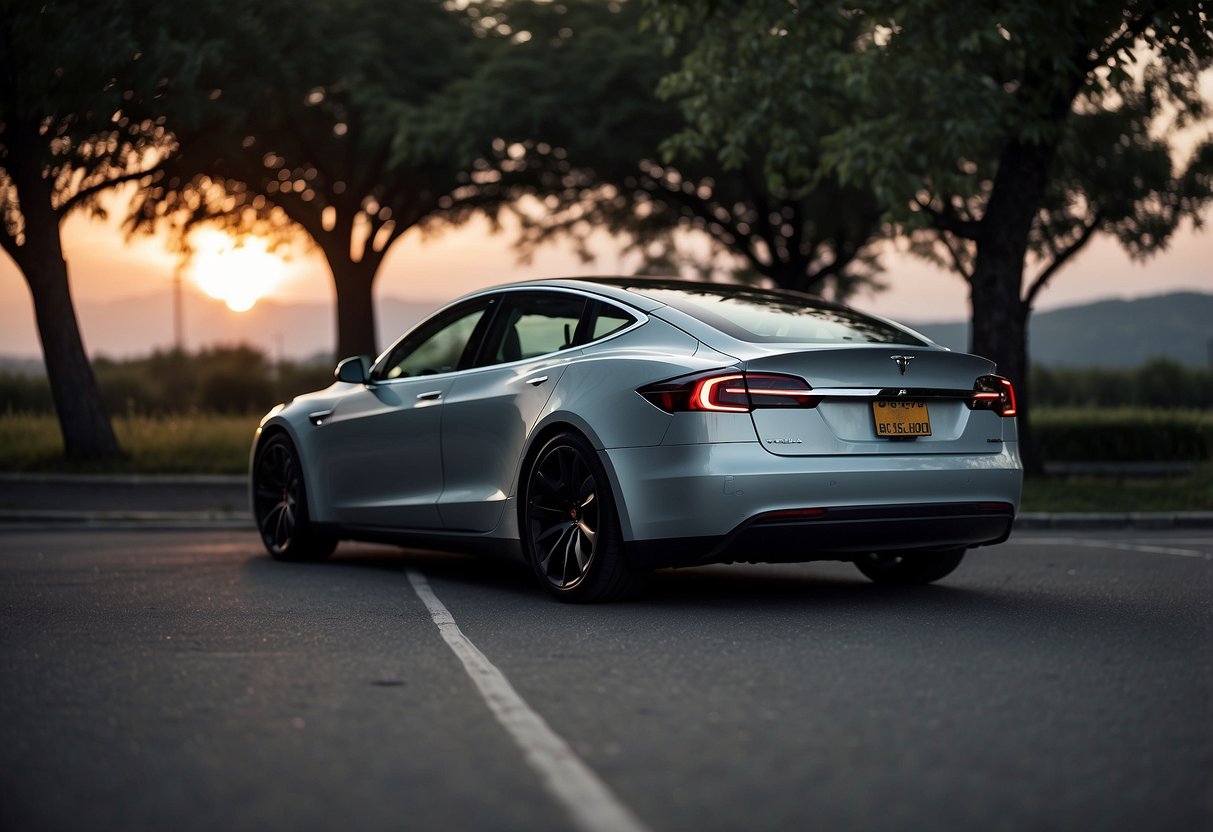
Now, we know tire care can feel like another task in our busy lives, but keeping an eye on tire wear can save us from those unexpected flat tire situations. Simple actions like rotating the tires every 5,000 to 10,000 miles and maintaining the correct tire pressure can make a big difference in their lifespan. Remember, the vehicle itself might inform us when it’s time for a check, making it a bit easier to stay on top of maintenance.
We also noticed that different driving conditions can impact tire wear significantly. Aggressive driving or frequent rapid acceleration can reduce the tire’s lifespan, whereas gentle driving and avoiding rough roads can help them last longer. So next time we feel like channeling our inner racecar driver, we might want to think about the tires! 🚗💨
JUMP TO TOPIC
Maximizing the Lifespan of Tesla Tires
To get the most out of our Tesla tires, we need to focus on regular maintenance, careful driving habits, and keeping an eye on tire pressure. Let’s break it down into a few key areas.
Understanding Tread Wear and Maintenance
Tire tread wear is one of the most significant factors affecting tire lifespan. Regular tire maintenance includes rotation, alignment, and balancing to ensure even wear. When we rotate our tires every 5,000 to 10,000 miles, we distribute the wear more evenly across all four tires.
Using wear indicators can help us keep track of the tread depth. Tires should be replaced when they reach 2/32 of an inch of tread. This ensures we maintain good traction and safety.
Influences of Driving Habits and Conditions
Our driving habits have a big impact on the wear and tear of Tesla tires. Aggressive driving, such as hard acceleration and sharp braking, can wear out tires faster. Using regenerative braking moderately can also help reduce tire wear.
Road conditions matter, too. Rough or pothole-filled streets can cause more wear on our tires. Driving smoothly and avoiding hazardous road conditions when possible can help prolong tire life.
The Role of Tire Pressure and Regular Inspections
Maintaining proper tire pressure is crucial for durability and performance. Under-inflated or over-inflated tires can lead to uneven wear and reduced lifespan. We should check tire pressure monthly and adjust as needed.
Using the Tesla vehicle’s tire pressure monitoring system (TPMS) can alert us to any issues. A visual inspection can catch problems like bulges or foreign objects stuck in the tire, which might need immediate attention.
Keeping up with these small checks helps ensure a smoother, safer ride while maximizing the life of our Tesla tires.
Tesla Model Specific Tire Considerations
Different Tesla models influence tire performance, wear, and replacement needs. Let’s break it down by examining important aspects for each model.
Tesla Model 3 and Model Y Tire Dynamics
Tesla Model 3 and Model Y have unique tire dynamics due to their light weight and sporty nature.
Model 3 owners often notice faster tire wear because of the high torque. Most tires last between 25,000 and 30,000 miles, though heavy driving or poor road conditions could reduce this. For the Model Y, the situation is similar. Both models benefit from regular tire rotations and timely replacements.
These models often use all-season tires to balance performance, range, and comfort. Because the battery adds weight to both cars, we recommend Tesla-approved tires for better durability and handling.
Service and Replacement for Model S and Model X
Model S and Model X tires require special attention. The weight and power of these vehicles affect tire lifespan. Owners often report tire life of around 20,000 to 25,000 miles, but driving habits and road conditions can modify this.
Model S typically needs high-performance tires for its speed capabilities. Regular checks and maintenance at a Tesla service center ensure optimal performance. Model X, being heavier, benefits from tires with acoustic foam to reduce noise.
Both models should use Tesla-approved tires. Keeping up with scheduled service visits helps maintain tire health, extending their life and enhancing overall driving experience.
Choosing the Right Tires for Your Tesla
Selecting the right tires for your Tesla can impact its performance, durability, and safety. We will discuss evaluating performance versus durability and the differences between all-season and specialized tires.
Evaluating Performance Versus Durability
When choosing Tesla tires, the first thing to consider is performance compared to durability. Some tires offer better grip and handling, especially in high-speed situations. These performance tires, like the Michelin Pilot Sport, are excellent for those who want the most out of their Tesla.
However, high-performance tires tend to wear out faster. If you’re someone who drives long distances, you might prefer tires with longer tread depth and life expectancy. Durability often means getting more miles from your tires, and brands like Michelin, Continental, and Hankook offer good options.
Are you driving mostly on highways or city roads? Your driving environment will affect how long your tires last. For those in harsher conditions or who put lots of miles on their cars, it’s wise to push for longer-lasting, durable tires.
All-Season vs. Specialized Tires
Next, let’s look at the choice between all-season tires and specialized tires.
All-season tires are versatile and work well in various weather conditions, making them suitable for year-round use. While they don’t offer the same level of performance as specialized tires, they provide a great balance.
Specialized tires, such as winter or summer tires, are tailored for specific conditions. Winter tires offer better traction in snow and ice, while summer tires perform best in warmer temperatures with superior grip.
Cost is also a factor. All-season tires can save money over time since there’s no need to switch them out seasonally. However, if you live in areas with extreme weather, investing in specialized tires could be more beneficial.
Here’s a quick comparison:
| Type of Tire | Best for | Advantages |
| All-Season | Moderate climates | Versatile, no need for seasonal changes |
| Winter | Snow/Ice | Superior cold-weather traction |
| Summer | Warm temperatures | Better performance, grip, and handling |
Techniques for Emergency and Seasonal Tire Management
Handling Tesla tires during emergencies and seasonal changes requires specific techniques to maintain tire lifespan and safety. We’ll discuss efficient methods for emergency situations and how to prepare for seasonal changes and storage.
Dealing with Tire Damage and Repair
In emergencies, quick action is crucial to avoid further damage. If a tire blows out or is punctured, use a tire patch kit or inflator to provide a temporary fix.
For severe damage, like tread separation or sidewall cracking, contact Tesla Roadside Assistance or a nearby tire shop. Regularly check for under-inflation which can lead to rapid wear.
Don’t drive on a damaged tire for too long. It could result in more serious problems.
To ensure tire health and safety, monitor for signs of cord exposure, ply damage, or any inconsistent wear.
Preparation for Seasonal Changes and Storage
Seasonal changes affect tire performance. For winter, use winter tires which have thicker sidewalls and better grip than all-season tires. Before switching, check tread depth and look for any signs of cracking. Winter tires enhance traction on icy roads, vital for cold climates.
When storing off-season tires, keep them in a cool, dry place away from direct sunlight to prevent cracking. Stack them horizontally if no wheels are attached or vertically if they are mounted to avoid deforming the rubber. Before storing, clean them thoroughly to remove dirt and grime which can cause deterioration.
Proper preparation and care extend tire lifespan, ensuring better performance and safety year-round.

We love what we do, and it shows in everything we do and more. We share our knowledge, here on Ran When Parked.
- Car Jerks When Accelerating Slowly – Causes and Fixes - January 8, 2026
- Check Engine Light On but Car Runs Fine – Causes Explained - January 4, 2026
- Car Shakes When Idling but Drives Fine – Causes & Fixes 2026 - January 4, 2026