
Headlights are a fundamental aspect of every car, not only illuminating the road ahead but also ensuring we’re visible to other motorists. In the realm of headlights, LED technology has revolutionized visibility, energy efficiency, and lifespan. We know that choosing the most suitable headlights can be challenging with so many options available.
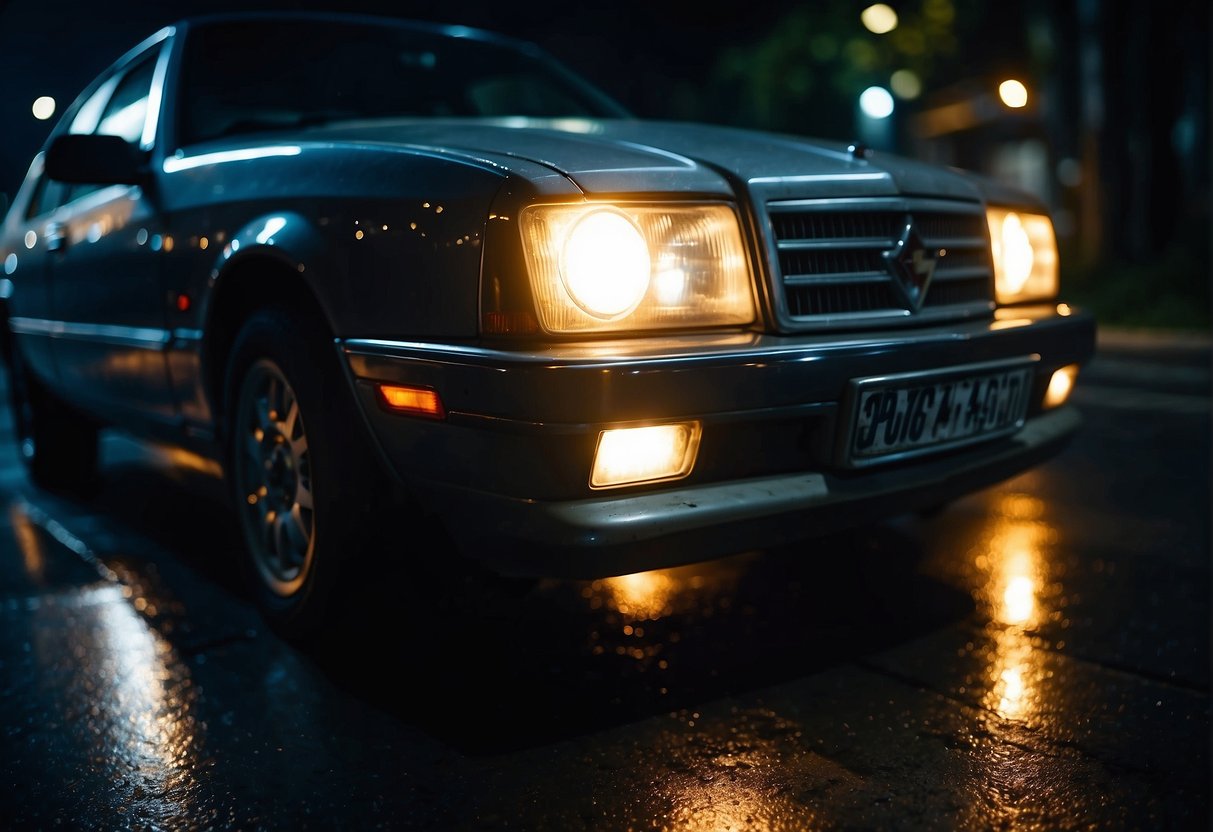
As we explore the best headlights on the market, we’ll look into LED options that offer brightness and durability. Modern LED headlights provide superior illumination and have become increasingly common in new car models. They are known for their low power consumption and their long service life, which significantly outlasts traditional halogen bulbs.
Let’s consider the advances that have been made in LED headlight technology. These improvements include stronger light output and broader spectrum coverage, translating into better road visibility. Car enthusiasts and everyday drivers alike appreciate the upgrade LEDs bring to the driving experience, ensuring that everyone benefits from the safety and performance these lights offer.
JUMP TO TOPIC
Exploring Headlight Technology
Headlight technology has significantly evolved, bringing advancements that range from the conventional halogen bulbs to the more efficient Light-Emitting Diode (LED) systems. In this examination of the different types of headlight technologies, we’ll explore how each system operates, and their implications for brightness and visibility.
The Progression From Halogen To LED
We started with halogen bulbs, a technology that’s been the standard in automotive headlights for decades. Halogens are known for their warm yellow hue and have the benefit of being cost-effective. However, advancements in technology have led to LED bulbs becoming increasingly popular due to their efficiency and long lifespan.
Halogen Vs. HID Vs. LED Headlights
When comparing headlights, it’s important to understand the distinctive features of each technology. Halogen headlight systems function by running an electric current through a tungsten filament in a bulb filled with halogen gas, producing light. High-Intensity Discharge (HID) headlights work differently; they use an electrical charge to ignite xenon gas within the bulb, resulting in a bright, white, or blue-tinged light. Finally, LED headlights use semiconductors to convert electricity into light, offering a brighter output with less power consumption.
| Headlight Type | Characteristics | Common Applications |
| Halogen | Warm yellow hue, cost-effective | Standard in many vehicles |
| HID (Xenon) | Bright, white/blue light, more energy than halogen | Luxury and performance vehicles |
| LED | Bright white light, energy-efficient | Increasingly common in modern vehicles |
Understanding The Impact Of Lumens And Brightness
Lumens are the measure of total visible light emitted by a source and directly influence the brightness we perceive. The higher the lumen count, the brighter the light. Halogen bulbs generally produce fewer lumens than LED and HID bulbs. Thus, LED and HID bulbs provide increased visibility compared to halogen. However, the stark white light of LEDs and HIDs can sometimes be considered too harsh or potentially blinding compared to the softer glow of halogen bulbs. Our choice in headlight technology should balance lumen output for visibility with considerations for safety and on-road courtesy.
Headlight Features And Performance
In selecting the best headlights, it’s crucial to consider beam patterns, color temperature, and power options. These elements directly impact visibility and performance on the road.
Beam Patterns: Spot Vs. Flood
Headlights offer varied beam patterns, primarily spot and flood. Spot beams project a focused, long-distance light ideal for high-speed driving in straight lines, whereas flood beams illuminate a wider area, better for slower speeds and broader visibility.
| Beam Pattern | Usage |
| Spot | Long-distance visibility, highway driving |
| Flood | Wide near-field vision, urban or off-road driving |
Color Temperature And Visibility
Color temperature is measured in Kelvins, impacting visibility and eye comfort. Headlights around the 6000K mark offer a bright, daylight-like beam, enhancing contrast and aiding in better nighttime visibility. It’s an optimal balance between warm and cool tones.
Battery Life And Power Options
For headlamp users, battery life is a key consideration. Longer battery life reduces the need for frequent recharging or replacement. Rechargeable batteries are cost-effective and reduce waste. A headlamp that runs for extended periods on high settings provides confidence during lengthy activities.
Battery life can vary widely; some headlamps offer 2 hours on high, while others can last over 24 hours on a single charge.
Evaluating Headlight Value And Cost
When considering the best headlights for your vehicle, it’s crucial to balance the cost and value, particularly with longevity and warranty in mind. Adequate performance, which encompasses brightness and illumination, should not come at the expense of durability.
Assessing Longevity And Warranty
A warranty can be telling of a manufacturer’s confidence in their product. We prefer headlights backed by a substantial warranty period that secures our investment against premature failure.
Balancing Cost With Performance
The price tag of a headlight needs to justify its performance. We consider both lumens—a measure of brightness—and beam pattern for effective illumination.
Opting for the least expensive option might not bring value if it compromises visibility or needs frequent replacement. Whereas, some premium bulbs justify their higher cost with exceptional brightness and a focused throw of light, paramount for safe driving.
Practical Applications For Quality Headlamps
Quality headlamps serve vital functions across various scenarios. Their design caters to specific needs, from navigating trails to complying with automotive standards.
Choosing Headlights For Outdoor Adventures
When venturing into the outdoors, whether it’s a trail run or a multi-day adventure, a headlamp becomes an indispensable tool. LED headlamps are popular for their longevity and bright, clear light. A comfortable headstrap and adjustable settings for spot and flood lighting are crucial for activities that require both close-up and distance illumination.
- Comfort: A non-slip headband is essential for prolonged use.
- Bulb Type: LEDs offer brightness and efficiency superior to traditional halogen bulbs.
Headlamp Options For Automotive Use
Automotive headlamps have experienced a significant evolution with the advent of LED technology. While stock headlights usually come with halogen bulbs, upgrading to LED headlights can result in better visibility and a fresh aesthetic. However, choosing LED headlights isn’t just about preference; it’s about performance too. They throw a precise beam that enhances visibility without blinding oncoming traffic, which is especially useful for high-beam headlights.
| Comparison Aspect | Halogen Headlights | LED Headlights |
| Brightness | Moderate | High |
| Efficiency | Lower | Higher |
| Lifespan | Shorter | Longer |
Legal Considerations And Compliance
When modifying or installing new headlights, whether for personal or professional use, it’s imperative to comply with federal laws. Regulations ensure that modifications do not impair visibility or safety.
Always check local regulations to ensure your headlamp modifications are legal, as some high-intensity LEDs may not be street legal.

We love what we do, and it shows in everything we do and more. We share our knowledge, here on Ran When Parked.
- Car Jerks When Accelerating Slowly – Causes and Fixes - January 8, 2026
- Check Engine Light On but Car Runs Fine – Causes Explained - January 4, 2026
- Car Shakes When Idling but Drives Fine – Causes & Fixes 2026 - January 4, 2026