
Plastic bumpers are a common fixture on modern vehicles, prized for their flexibility and resilience. However, they’re not immune to damage, often incurring cracks from minor collisions, weather extremes, and everyday wear and tear.
While severe cases may require professional attention, many cracks can be repaired at home with the right tools and techniques.
The key to a successful plastic bumper repair is understanding the type of plastic and applying a method suited to its specific properties.
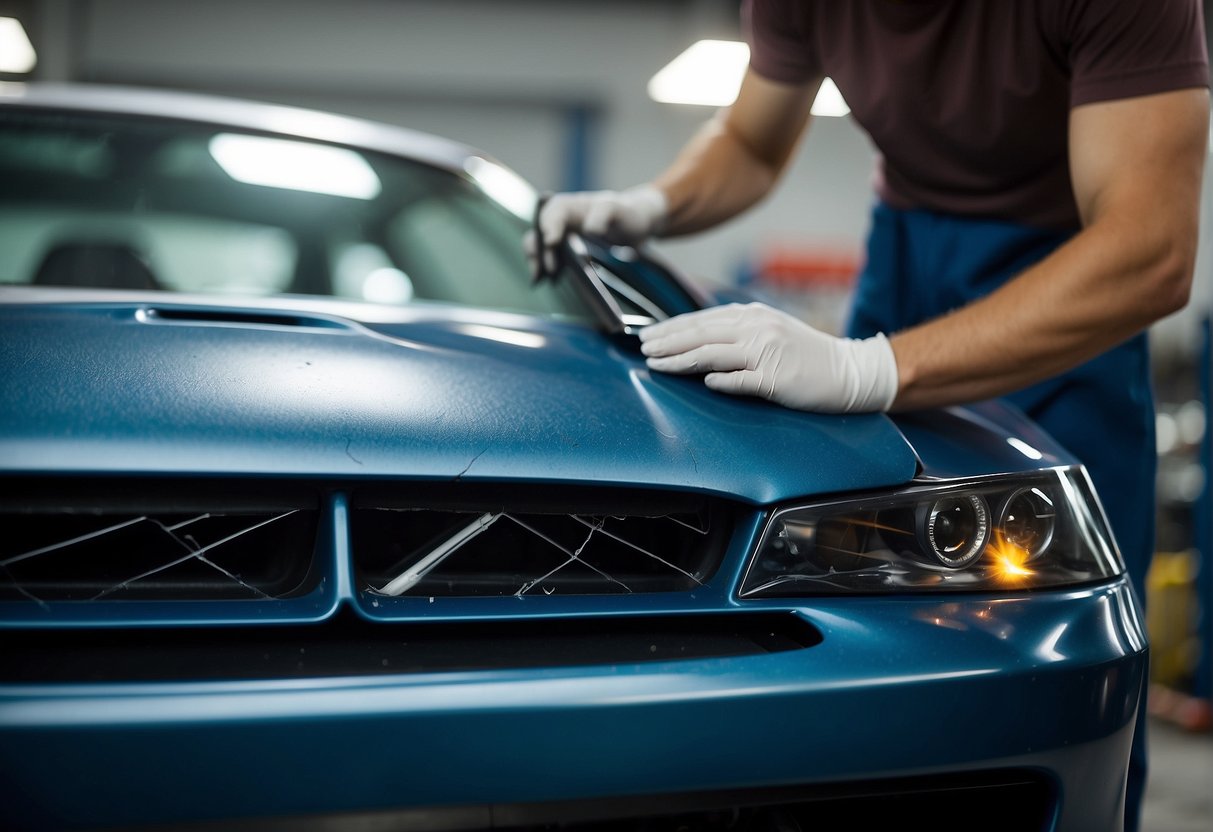
We have the knowledge to take on this task ourselves, saving time and money on garage visits.
Fixing a cracked bumper involves a few detailed steps, such as cleaning and prepping the area, applying a suitable adhesive or filler, and ensuring a smooth finish that restores the bumper’s original appearance.
With a few inexpensive supplies like sandpaper, plastic filler, and a good dose of patience, we can make lasting repairs that both look good and maintain the bumper’s structural integrity.
Let’s explore how to bring our bumper back to its best.
JUMP TO TOPIC
Preparing the Bumper for Repair
Before we repair a cracked bumper, it is essential to properly prepare the bumper cover. This preparation ensures a solid, long-lasting repair and involves assessing the damage, cleaning the area thoroughly, and if necessary, removing the bumper cover for better access to the damaged site.
Assessing Bumper Damage
Cleaning the Area
After we’ve assessed the damage, our next step is to clean the area around the crack. It’s crucial that the bumper is free of any dust, debris, or grease.
- Use a gentle cleaning solution and a soft cloth to clean the area.
- Rinse thoroughly and allow it to dry completely before moving to the next step.
Removing the Bumper Cover
Sometimes, to access the crack properly, we need to remove the bumper cover. This process varies depending on the vehicle’s make and model, so consult the Vehicle Identification Number (VIN) for specific instructions related to your car.
- Locate the attachment points, which are usually found along the edges of the bumper cover.
- Carefully detach the cover, making sure all clips, screws, and tabs are safely removed or unfastened to prevent further damage.
Take note that removing the bumper cover is not always required but can make the repair process easier and allow for better results, especially when dealing with materials like PPO or PUR plastics which are commonly used in bumper covers.
Repair Techniques for Cracked Bumpers
Cracked bumpers can often be mended with the right materials and techniques, without the need for costly replacements. We’ll guide you through some dependable methods to restore your bumper’s integrity and appearance.
Plastic Welding Methods
Using Body Filler and Sanding
Body filler can be used for smaller cracks or imperfections. Here’s how:
- Clean the damaged area thoroughly.
- Apply resin-based body filler to the crack.
- Allow it to dry according to the product’s instructions.
- Use sanding paper to smooth out the filler, starting with a low grit and moving to a higher grit for a fine finish.
Applying Adhesives and Epoxy
They can bond the plastic together without welding. The process typically involves:
| Step | Action |
| Cleaning the Area | Remove dirt and grease for the best bond. |
| Applying Adhesive/Epoxy | Spread a suitable epoxy or adhesive on both sides of the crack, then press together. |
| Curing | Allow adequate time to set, as per the manufacturer’s guidelines. |
Priming and Painting the Bumper
Selecting the Right Primer
For most plastic bumpers, an adhesion promoter is advisable, followed by a high-build automotive primer that prepares the surface for paint.
We typically use a spray can primer for its ease of application and uniform coverage.
Applying Primer and Sanding
Color Matching and Painting
Reinstating the Bumper
Once repairs are complete, our priority is to securely reattach the bumper to the car and ensure it’s perfectly aligned and clean. The process involves meticulous positioning and involves a final assessment to confirm the bumper’s condition.
Reattaching and Aligning the Bumper
- Place the bumper cover on a clean piece of cardboard to prevent scratching.
- Align the bumper carefully with the mounting points on the vehicle.
- Use locking pliers to hold the bumper in position if necessary.
- Secure the bumper using the original fasteners.
- Apply gentle pressure to check for any movement.
Final Checks and Cleaning
- Check for loose parts or misalignment, which might require readjustments.
- Examine the surface of the bumper for any irregularities in the repair.
- Using a squeegee, ensure any dirt or repair residue is cleared from the bumper’s surface.
- Employ a quality cleaner with gloves to clean the bumper thoroughly.
- Remove any masking materials used during the painting process.
Part of our final process includes cleaning the bumper to a pristine condition. The cleanliness not only provides aesthetic appeal but also allows us to observe any potential flaws or issues that might have been overlooked during the repair and reattachment stages.

We love what we do, and it shows in everything we do and more. We share our knowledge, here on Ran When Parked.
- Car Jerks When Accelerating Slowly – Causes and Fixes - January 8, 2026
- Check Engine Light On but Car Runs Fine – Causes Explained - January 4, 2026
- Car Shakes When Idling but Drives Fine – Causes & Fixes 2026 - January 4, 2026