
When we talk about maintaining a 2013 Toyota Corolla, one of the components that might not immediately come to mind is the blower motor. Yet, it plays a crucial role in the comfort of the vehicle’s occupants. This blower motor is responsible for distributing air through the vents of the heating and air conditioning systems. A functioning blower motor ensures that your car’s cabin temperature is regulated effectively, whether you’re heating up on a cold morning or cooling down during a summer drive.
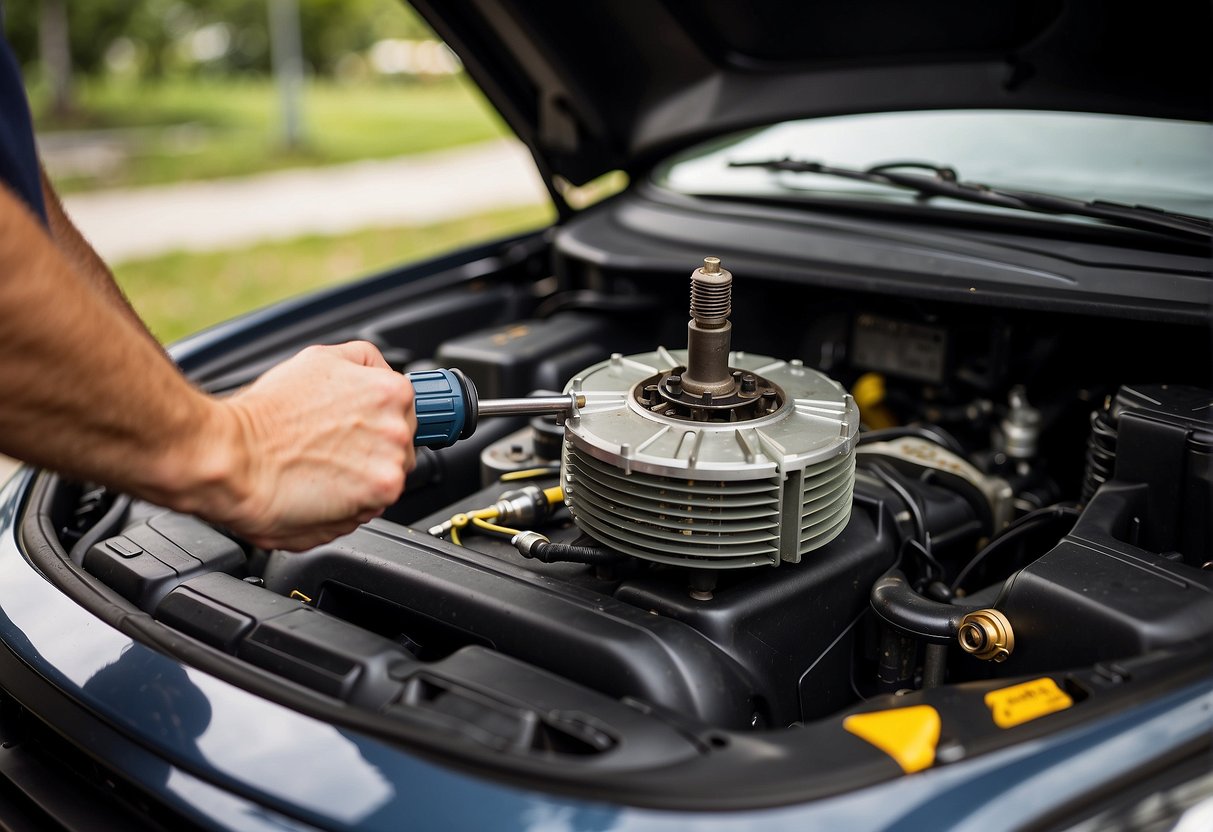
Occasionally, this essential component can succumb to wear or failure, manifesting in reduced air flow or a complete lack of it, strange noises, or inconsistent operation. Addressing issues with the blower motor in a timely fashion not only improves your driving experience but also supports the HVAC system’s longevity. It’s important to note that while the 2013 Toyota Corolla is known for its reliability and efficiency, general wear and tear is inevitable, and being proactive about replacements and repairs is part of responsible vehicle maintenance.
JUMP TO TOPIC
Identifying Your Toyota Vehicle
When dealing with car maintenance and parts replacements, it’s essential to know exactly which vehicle you’re working on. This is especially true for the blower motor in your 2013 Toyota Corolla, as you’ll want to ensure compatibility and proper fit.
Understanding VIN and Model Variations
Every Toyota Corolla has a unique Vehicle Identification Number (VIN) that provides detailed information about the specific car. The VIN is crucial for identifying the exact model, including the year, engine size, manufacturing location, and more. This is pertinent for the 2013 Corolla as it ensures you procure the correct blower motor. The VIN is typically located on the driver’s side dashboard or door jamb.
- Here’s how to locate and decipher your VIN:
Decipher: The 10th character specifies the model year, which should be a ‘D’ for the 2013 Corolla.
There were various trims for the Corolla in 2013, such as the L, LE, S, and LE Eco models. The S model is known for its sportier appearance and the Eco for its fuel efficiency. Each model may have slight variations affecting the blower motor specs.
The 2013 Corolla: Model Overview
The 2013 Corolla is part of the 10th generation of Corollas, with specific features that set it apart from other model years.
- Quick facts about the 2013 Corolla:
| Feature | 2013 Corolla |
| Engine | 1.8L 4-cylinder |
| Variants | L, LE, S, and LE Eco |
| Fuel Efficiency | LE Eco optimized for better ⛽ economy |
The blower motor in your Corolla is responsible for circulating air through the vents. A properly functioning motor is critical for comfort and safety, as it ensures clear windshields and a comfortable cabin temperature 🌡️. When replacing the blower motor for the 2013 model, make sure to match it to the specific trim of your Corolla to ensure optimal performance and fit.
Toyota Corolla HVAC System Components
In the Toyota Corolla, the HVAC (Heating, Ventilation, and Air Conditioning) system is designed to ensure a comfortable cabin environment. We’ll discuss the core components, namely the blower motor and the blower motor resistor, which play a crucial role in the functionality of the HVAC system.
Function of the Blower Motor
The blower motor is the central component responsible for pushing air through the vehicle’s HVAC system. Whether it’s the heater on a cold morning or the A/C on a hot day, the blower motor ensures that the temperature inside your 2013 Toyota Corolla is just right. It works by drawing air from the outside and then pushing it through the system where it’s either heated or cooled before entering the cabin.
The Role of the Blower Motor Resistor
The blower motor resistor regulates the current going to the blower motor, which allows us to control the fan speed. In vehicles with automatic temperature control, this component helps achieve the exact cabin temperature we set. When the resistor fails, symptoms can include a blower motor that runs only at full speed or not at all.
Together, the blower motor and the resistor are pivotal in our Corolla’s HVAC system. If these parts malfunction, it can lead to a lack of airflow or an inability to adjust the climate control settings properly. Regular maintenance is essential for longevity and a comfortable driving experience.
Installation and Maintenance Tips
When it comes to maintaining your 2013 Toyota Corolla, proper installation and regular checks of the blower motor assembly and associated parts are crucial for ensuring lasting performance and comfort inside the vehicle cabin.
Replacing the Blower Motor Assembly
- New Blower Motor Assembly
- Screwdrivers
- Ratchet and Socket Set
First, ensure you have the right parts on hand. For our Corolla, the OEM part number is critical – it’s 87103-02210 for the motor, complete with impellers. Before starting, disconnect the battery to avoid any electrical issues. Access the blower motor under the passenger side dashboard and remove the glove compartment if necessary to reach it. Carefully unscrew and remove the old blower motor, then align and secure the new motor in place. Reconnect its power connector and test the blower before reassembling the dashboard components.
Blower Motor Resistor Installation
- Locate the resistor – typically found near the blower motor.
- Unplug the electrical connector.
- Remove the mounting screws and the old resistor.
- Install the new resistor and re-attach the screws.
- Reconnect the electrical connector.
Test the system to ensure all fan speeds are functional.
The blower motor resistor controls the speed of the blower motor and may require replacement if you experience issues with fan speeds. For our Corolla, the installation is straightforward. With the right resistor part (often specific to whether your car has manual or automatic climate control), install the new component where the old one was situated, using the reverse order of removal. Ensure all connections are secure and free of debris to avoid future failures. After installation,
to confirm the success of your installation work.
Remember to keep all tools and parts organized for efficiency and to prevent any damage to the vehicle’s interior. Regular maintenance checks on these components will help prolong the life of your blower system and ensure your comfort during both hot and cold conditions.
Cost Analysis and Value
When assessing the cost of a replacement blower motor for a 2013 Toyota Corolla, we consider both the price points and the value for money. We aim to give you a detailed breakdown and understanding of the financial aspect of this repair to help you make an informed decision.
Evaluating Blower Motor Price Points
We have observed that the going rate for a blower motor for a 2013 Toyota Corolla falls between $257 and $291 for parts and labor combined. These figures can fluctuate depending on various factors, such as where the repair is conducted or the exact model of the Corolla.
Understanding MSRP and Value for Money
Manufacturer’s Suggested Retail Price (MSRP) helps us to compare costs across various vehicles. For example, the MSRP of Toyota vehicles such as the eco-friendly Prius or the rugged RAV4 may impact the price of parts and their replacements due to different design and engineering factors. When considering the Corolla, which sits in the lower price range among its siblings, we find that the blower motor replacement cost is reasonably positioned to deliver good value. The MSRP of new blower motors usually aligns with the vehicle’s value, ensuring that owners are paying a fair price for their components.
It’s crucial to discern the value we obtain for any repair price we pay. The proposition for replacing the blower motor in a 2013 Toyota Corolla delivers a balance between affordability and maintaining the vehicle’s integrity. Keeping the vehicle’s HVAC system running efficiently is essential for comfort and safety, underscoring the value of investing in a new blower motor when necessary.

We love what we do, and it shows in everything we do and more. We share our knowledge, here on Ran When Parked.
- Car Jerks When Accelerating Slowly – Causes and Fixes - January 8, 2026
- Check Engine Light On but Car Runs Fine – Causes Explained - January 4, 2026
- Car Shakes When Idling but Drives Fine – Causes & Fixes 2026 - January 4, 2026